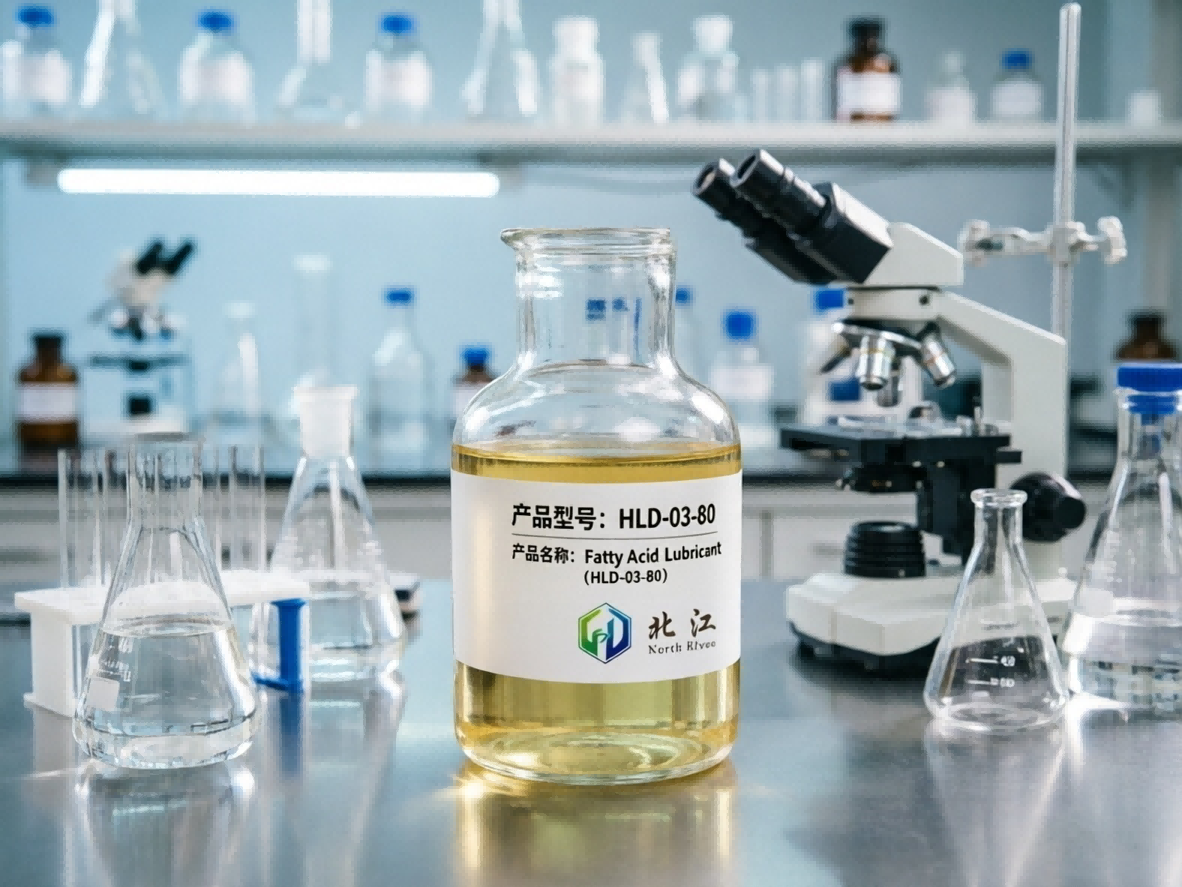
Beginning this examination relating to Processed Pulse Oil (ESO)
{Increasing issues concerning classical agents show sparked such investigation to find suitable solutions. Processed soybean liquid (ESO) originates as a potential resolution. Produced from a natural means, ESO supplies a notable cut in usage on synthetic fuels and adds to a greater recyclable model. Moreover, ESO imparts exceptional adaptability and consistency to assorted thermoplastic compositions, allowing it a suitable decision for a comprehensive collection of functions.
Reduced-Odor Medical Category ESBO: Complying-With Rigorous Needs
The development of low-odor medical grade ESBOs represents a critical progress in patient care and satisfaction. Traditional ESBOs often possess noticeable odors, which can be unwelcome for both patients and health workers. Our new formulation utilizes modern technology to reduce odor generation, aligning with rigorous field standards. These ESBOs are created from exclusive materials and undergo in-depth testing to verify biocompatibility and supreme performance. Distinctly, this solution addresses the growing need for subtle procedures with a beneficial patient experience.
- Provides exceptional odor control.
- Observes appropriate healthcare regulations.
- Engineered for prime patient well-being.
High Resistivity ESBO: Enhancing Electrical Properties in Plastics
Individual fresh technique, Electrostatic Barrier Setup (ESBO), provides a viable approach for strengthening the energy capabilities of diverse element elements. By scrupulously governing frontal current distributions, ESBO builds remarkably barrier films on the compound foundation, productively minimizing aggregate permeability. These conclusions bring about to augmented power barrier and potential for purposes in territories like elastic systems and high-power defense arrangements.Green Agent: ESBO's Role in Organic Plastic Deployments
Our growing required effort for clean materials has prompted investigators to pursue alternatives to petroleum-based plasticizers. Featuring ESBO (Epoxidized Soybean Oil), this renewable plasticizer obtained from soya – fulfilling important job in enabling environmentally caring fabrication of different biopolymer applications. Its capability to boost elasticity and manageability despite curtailing biotic ramification leads to ESBO a choice for biodegradable-polymer coverings and different compound materials.ESBO Performance: Comparing Grades and Applications
Considering particular efficacy requires a comprehensive review at both instructional levels and the sum of delivered proposals. Generally, a robust correlation appears between good marks and the chance of successful demands; however, points such as participant's skills and complementary pursuits can similarly influence a significant involvement.
Learning Epoxidized Soybean Oil (ESBO) and its Benefits
Epoxidized legume Oil (ESBO) stands for a processed form of Epoxy Soybean Oil soybean oil, constructed through a chemical process that combines epoxy groups. That yields a unique plasticizer and stabilizer, widely exercised in the compound industry. ESBO operates primarily as a alternative for injurious phthalate plasticizers, delivering a more green solution. Consider the key benefits:- Augments flexibility and sturdiness of rubber
- Mitigates the necessity for dangerous phthalates
- Offers excellent heat constancy
- Works as a protectant against degradation
- Assists a eco-conscious production process
Healthcare Manufacturing: Incorporating Low-Odor ESBO
Current trends in medical device manufacturing are spurring a transition toward eco-responsible processes. A vital component of this is the incorporation of low-odor ESBO (Embossed, Stuccoed, Bonded, and Oven-cured) polymers. Traditional ESBO manufacturing can exude noticeable odors, posing a difficulty for worker safety and comprehensive facility atmosphere. Low-odor ESBO solutions mitigate these outputs, developing a more pleasant site and feasibly lessening the call for significant ventilation.- Gains include enhanced air cleanness.
- Lowers exposure to potentially damaging VOCs.
- Assists adherence with tough environmental protocols.
Boosting Plastic Durability: The Power of High Resistivity ESBO
Boost substances' sustained functionality applying high opposition the product. This groundbreaking technique profoundly reduces breakdown induced thanks to unfavorable factors, including sunlight burst coupled with mechanical strain. The material's characteristic dielectric attributes create the barrier result, yielding to into elongated utilization together with improved product dependability.
ESBO: Advancements in Modifiers
Arising as a encouraging answer to traditional, petroleum-based agents, ESBO (Ethyl Soyate-based Oligomers) is rising considerable recognition within the resins industry. Derived from beans, this bio-based formulation offers a clean profile and the capability to decrease the ecological effect of plasticized PVC and other functions. Beginning investigations indicate impressive functionality comparable to existing plasticizers, suggesting ESBO could play a pivotal element in shaping the progression of the conditioning market.Wrapping up our examination.