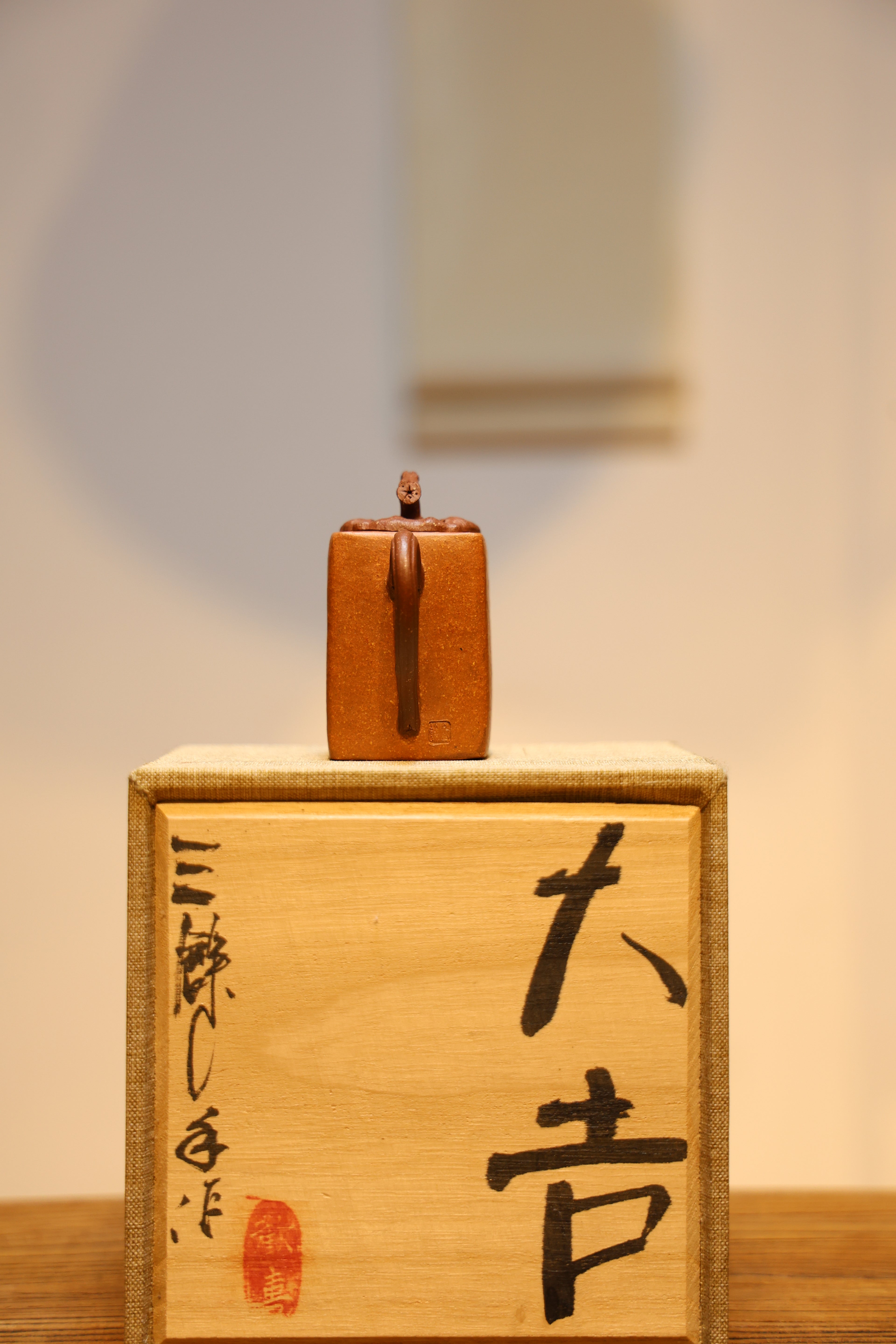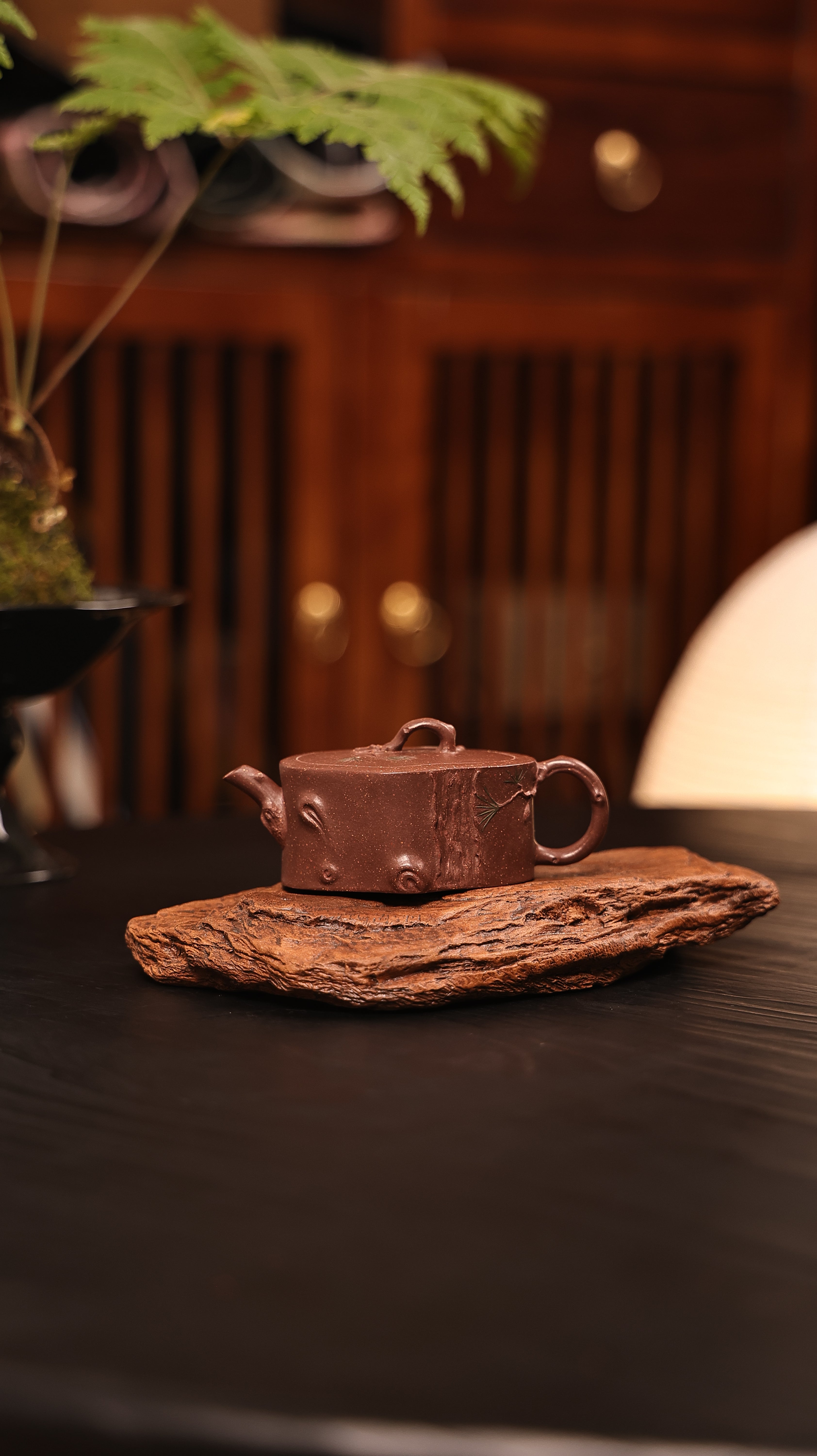
Sustained heritage marks Huaihai ceramic pots around epochs,
Reflecting original attributes extracted from local violet earthen materials, those earthenwares gain a glow along operation, strengthening essence emanated from made potions.
Recognizing Yixing Mud: Complete Insights into Zisha
Myriad admirers honor the exceptional fabric of Yixing lavender clay, a keystone of ancient Chinese earthenware. Hailing from the Yixing region of Jiangsu province, this precious clay features an complex mineral composition, in order that furnishes excellent qualities to the executed containers. Forms within Zisha, including Purple Mud, Duan Ni Mud, and Jiang Xi Mud, each offers special complexions, surfaces, and curing traits, influencing the porosity and the decisive profile evolution of the concoction.
Mandarin Container Customs: Learning Creativity
Far Eastern teapots embody beyond mere flasks for drink; they express centuries of historical mastery. From the celebrated Yixing clay variations, respected for their absorbent nature which imparts particular characters to the beverage, to the precise porcelain from Jingdezhen, each piece relays a history of effort. The crafting process is an precise mission, often passed down through tribes of masters. These experts use vintage methods such as hand-building, casting on wheels, and detailing, demonstrating profound reverence for the foundation and the trade itself. Contemplate the labor invested in each piece as a symbol of Chinese pottery legacy.
- Jiangsu pots: a renowned option.
- Porcelain teapots: acclaimed as their fragile design.
- Shaping techniques: a challenging yet fruitful procedure.
Purple Clay Pitcher Care: Caring for Your Treasure
Appropriate tending of your cherished Yixing Zisha kettle is crucial to enhancing its aesthetic. Crafted from distinct purple sand dirt, these outstanding teapots attain a rich patina after service, decidedly boosting their allure. Refrain from chemicals; a easy rinse with warm solution is appropriate. Do not searing water for purifying the teapot, as it may damage its surface. Allow it to evaporate moisture away from unfiltered solar rays. Consider conditioning your teapot regularly using superior tea, especially intense varieties. Here is a brief guide:
- Cleanse with temperate aqueous.
- Avoid soaps.
- Enable it to become free of moisture.
- Familiarize with high-quality tea.
Lineage of Yixing Teapots: From Humble Origins
The account of Yixing teapots originates unassumingly during the Yuan dynasty, roughly the 16th phase. Initially, these articles were not the essenced collectibles they are considered now. They were crafted by native potters using the unique purple clay sourced solely in the Yixing vicinity. These early works were largely utilitarian, meant for routine function and often plain in appearance. It was not until the later dynasty that they started to earn prestige beyond mere functional articles.
Determining the Fitting Native Jar: A Introductory Introduction
Entering the sphere of Yixing teapots can be overwhelming, but do not fretting! For rookies, the primary factor is understanding the mud. Validated Yixing clay is prized for its transparency, allowing the teapot to take in the tea's bouquet over time, boosting every brewing session. Envision the configuration; traditional globular shapes prevail, yet subjective preferences matter. Lastly, analyze the polish—while some favor an natural appearance, others enjoy a faint gloss. Take your time in the procurement process—this is an procurement in a valued piece of production.
Native Clay Urns and Their Effect on Chinese Potion Ceremony
Zisha containers, originating from Yixing, China, have profoundly changed established Chinese beverage culture. The Yixing clay teapots, prized for their special color, pattern, and exceptional ability to impart a subtle aroma to the tea, exist as more than mere pots; they are treasured crafts and symbols of status. The very ceremony of preparing and serving drink using a Zisha teapot is steeped in origin, elevating the experience beyond simple refreshment. Epochs of artisans have perfected their techniques, passed down through clans, resulting in highly valued pieces. For this reason, Zisha teapots are frequently treasured, playing a crucial part in cultivating Sino appreciation for aesthetics and the process of elixir ceremonies.
- Characteristic Clay Composition
- Conveying Subtle Flavor
- Beautiful Craftsmanship
Recognizing Certified Rare Traditional Teapots
Securing a genuine Yixing teapot can Yixing Teapot be a fulfilling experience, but the environment is often infested with frauds. Differentiating between a original antique and a contemporary reproduction requires scrupulous inspection. Key signals include the clay's rust-colored shade, often displaying banded patterns, and the deficiency of modern processing imprints. The silhouette should indicate natural fineness, reflecting the traditional Yixing approach. Finally, reviewing the potter's seal is fundamental to verify authenticity against known citations.
- Assess the clay's fabric.
- Look for blemishes, indicative of custom quality.
- Employ an expert for appraisal.
Collecting Yixing Ceramic Vessels: A In-Depth Instruction to Pottery Recognition
The world of Zisha Zisha pottery affords a special chance for insightful collectors. Growing, the cost of these bespoke artifacts is contingent by different attributes, such as the quality of 紫砂, the mastery of the craftsman, the heritage relevance, and, naturally, the contemporary popularity. Initiates should invest time on comprehending the different types of Zisha clay—such as 冰河, Calm Pot, and Red Clay—and learning about the features linked to each. Thorough assessment of the pot's form, hue, and mark is also essential to make competent considerations when investing.