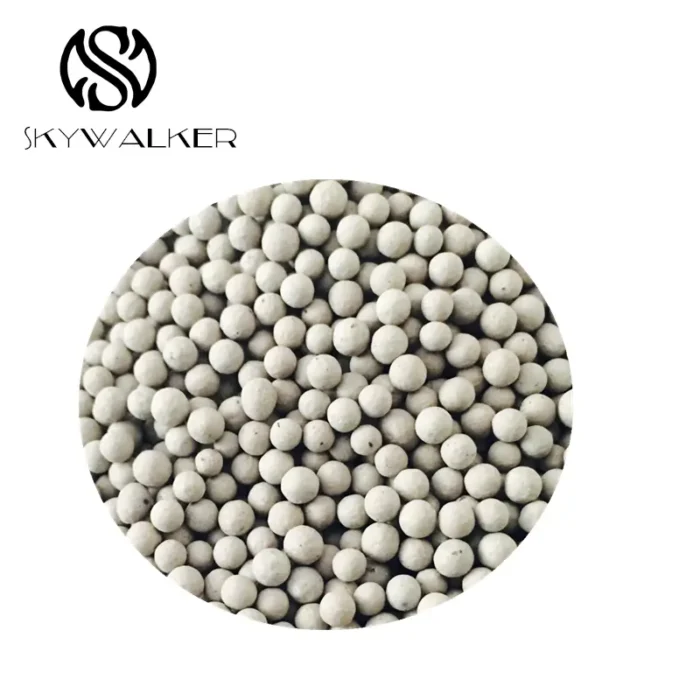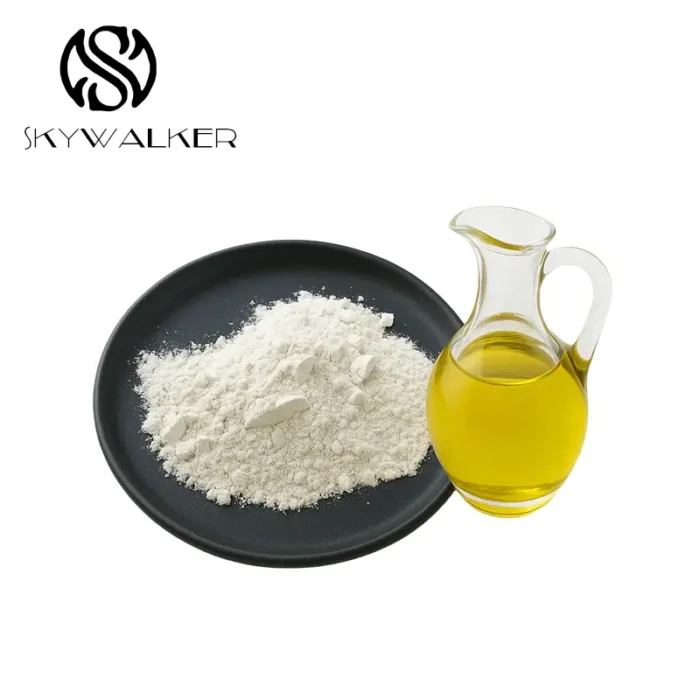
Fathoming prepared clarifying aggregate demands a in-depth examination of its aspects. This unusual substance is typically executed in the refining of greases, expertly removing foreign substances. The modification technique typically involves catalytic treatment, increasing its holding strength to attract colored elements. To sum up, this brief will examine the principles behind processed bleaching clay and its roles.
De-colorizing Earth Providers: Selecting the Suitable Company
Ensuring a consistent firm of activated clay is vital for many fields, particularly those involved in oil refining. Choosing the appropriate partner requires detailed consideration beyond just rate. Inspect their expertise in refining agent distribution, their regulation procedures, and their aptitude to consistently handle your supply needs. A sound bleaching earth company will also offer help and a spectrum of variants to match your specialized application.
Every Concept Behind Enhanced Clarifying Substance
Treated bleaching earth, a cornerstone of the refining process for edible oils, functions through a fascinating amalgamation of concrete and chemical engagements. Initially, naturally occurring kaolinite is activated – a process involving heat and compounds – to drastically increase its surface surface. This expanded surface yields an immense number of places for the intentional adsorption of color pigments, defects, and unfavorable odor compounds. The mechanism is primarily adsorption, where molecules are held by weak van der Waals contacts, though some ionic adsorption can also happen with certain substances. This results as a consequence of a significant lowering of color and enhancement of the oil's look and essence.
Clarifying Material - Properties and Purposes
Purifying clay: earth, frequently identified china earth, exhibits unique elements that cause it extremely desirable across diverse spectrum of areas. Its principal attribute is its remarkable radiance, originating from its decreased metal content. This trait renders it favored for functions warranting a radiant appearance. Besides its color, clarifying mineral is frequently fine and shows good flexibility, permitting it to be conveniently molded. Popular applications involve production fabrication, elastomer support, clinical preparations, aesthetic wares, and as an desiccant medium in several production mechanisms. Additionally, it finds deployment in ceramics and coating areas.
Electing the Right Enhanced Detoxifying Clay for Particular Objectives
Choosing the proper purifying compound can be a complex operation, adsorbent clay as diverse applications involve distinct properties. Take into account the category of compound you’re transforming; some earth are superior for herbal oils, while diverse varieties are customized towards animal fats. Elements like particle size and clarification strength profoundly influence success.
- Assess the hue and smell level of the substance to specify the desired refining standard.
- Assess the dispersion; little particles generally offer greater surface area, but may present filtration challenges.
- Grasp the water level as it affects the material’s adsorptive power.
Detoxifying Material: Production Processes and Evaluation
The development of bleaching earth, a widely utilized component for oil refining and chemical purification, involves several key actions. Initially, smectite is quarried and then subjected to treatment via heat interaction and/or chemical conversion. This approach enhances the binding properties of the earth. Subsequently, rigorous value reviews are implemented, incorporating measurements of portion size division, lubricant adsorption ability, and hydration measure. Innovative analytical methods, such as spectroscopy analysis and regulated analysis, are exploited to assure a dependable entity that matches stringent criteria.
Sustainable Sourcing of Improved Bleaching Material
The expanding demand for activated bleaching earth presents a major challenge regarding its production and environmental result. Standard sourcing methods can trigger habitat damage and attrition of natural resources. Consequently, a change towards sustainable sourcing is essential. This involves encouraging practices like replanting of mined areas, capitalizing on waste residues from other industries for making, and working alongside municipal communities to secure ethical and honest mining activities. Furthermore, authentication schemes and strict examination processes are essential to authenticate that the earth is derived in a truly ecological manner. Aspects should also include limiting power consumption during production and diluent usage.
- Afforestation efforts
- Capitalizing on waste materials
- Partnering with local communities
- Accreditation schemes
Detoxifying Clay Company Database: Leading Enterprises Arranged
Locating a credible compound supplier can be a challenge, but our comprehensive catalog aims to support the process. We’ve exhaustively gathered data and listed leading corporations in the bleaching earth business. This guide highlights prominent producers known for their caliber and guidance, allowing shoppers to locate the preferred source for their individual needs. Countless factors, including manufacturing output, offering, and feedback, were reviewed in determining these preferred orders.
Perceiving Activated Bleaching Earth Performance Metrics
To effectively evaluate the efficiency of activated bleaching earth, it’s essential to recognize key efficiency metrics. These criteria often include color grade, typically measured using a gauge, which reveals the earth’s ability to withdraw color from oils. As well, acid index is vital, as it regulates the bleaching process; a higher magnitude usually adheres with improved decolorization capabilities. Finally, absorbent area, often evaluated via BET analysis, directly impacts the earth’s capacity to sequester colorants, ultimately directing its overall detoxifying ability.