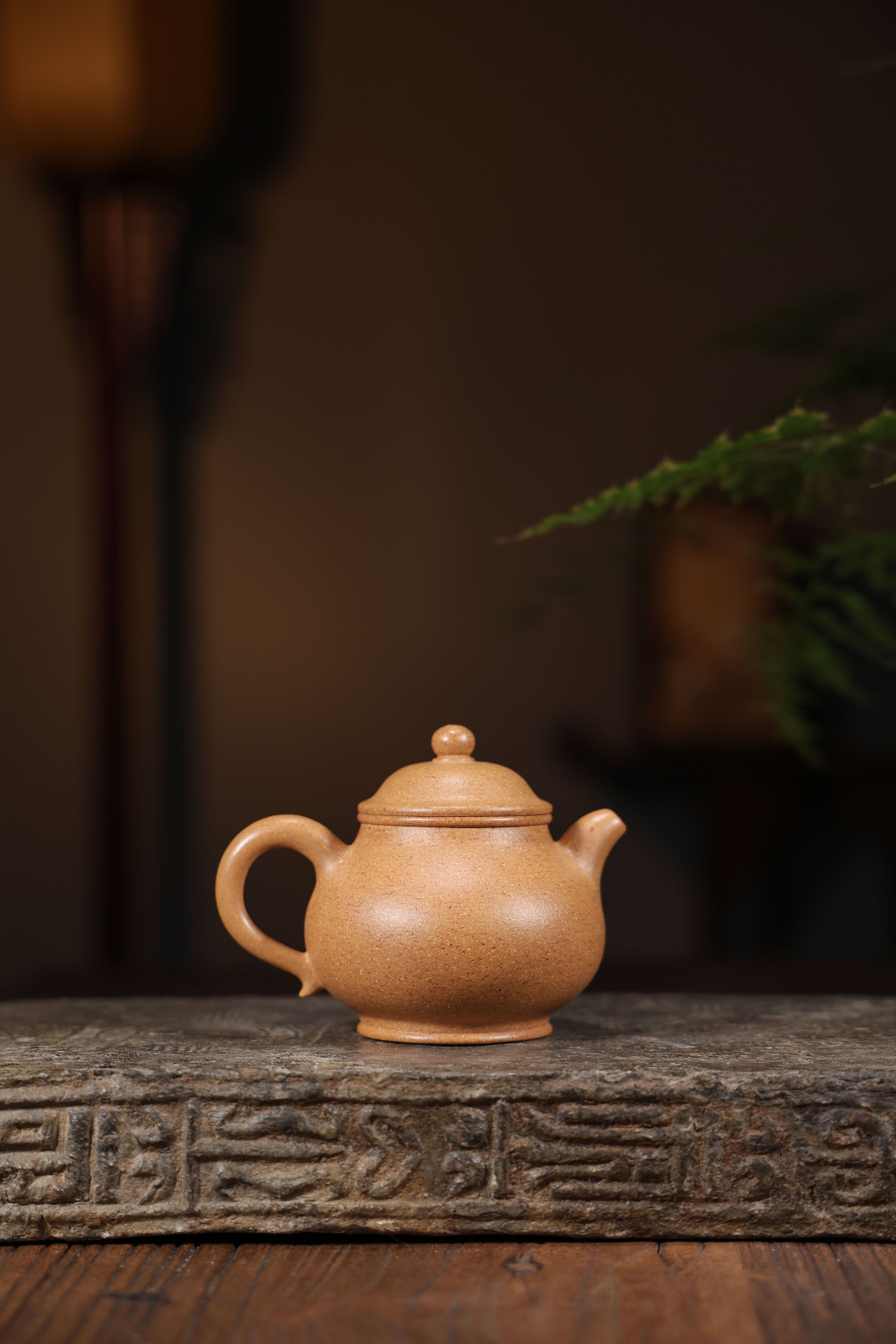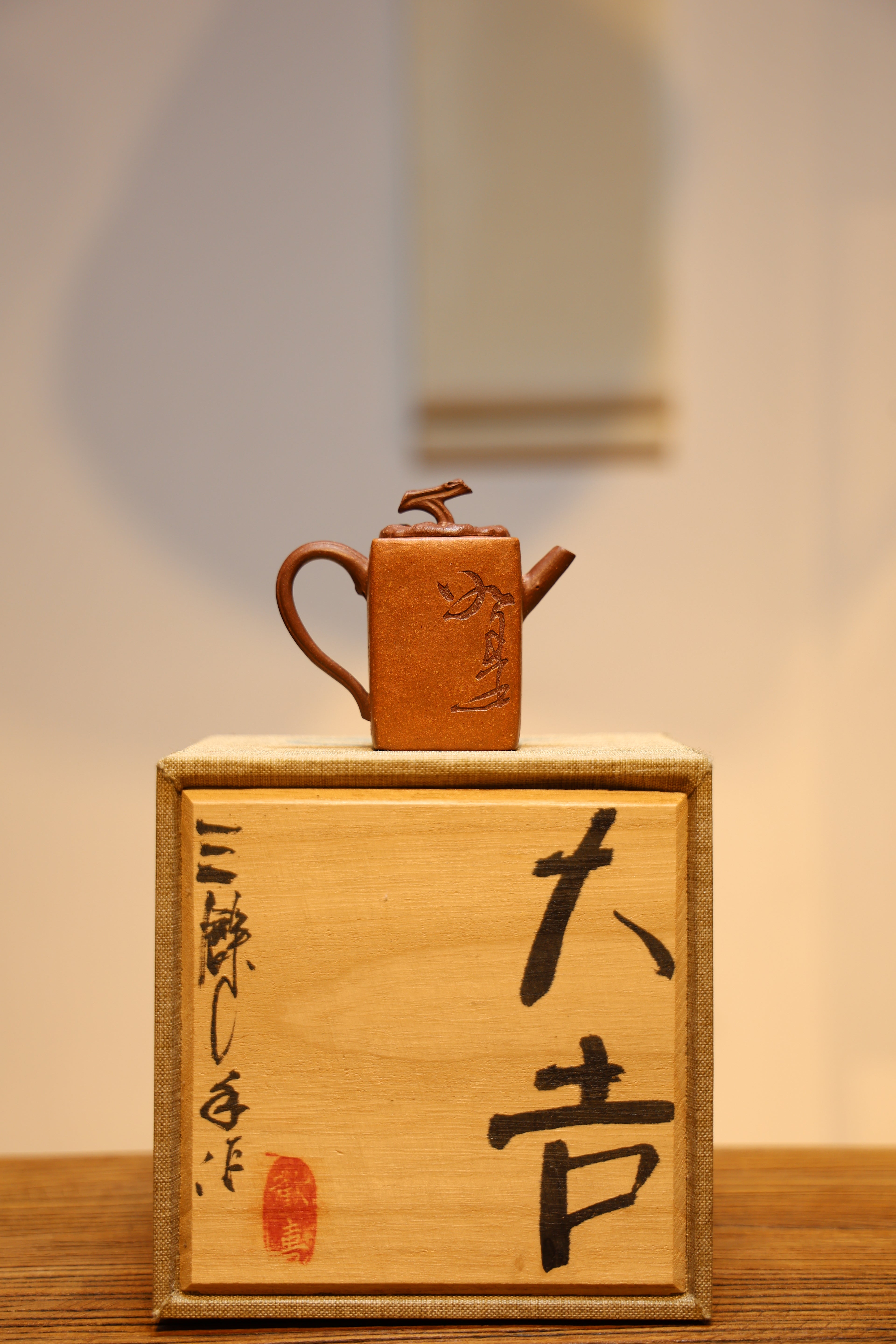
Everlasting background shapes Chinese mugs amid generations,
Reflecting peculiar attributes gathered amidst provincial heliotrope clays, the pots develop a patina across application, improving taste infused from steeped infusions.
Comprehending Yixing Soil: Thorough Insights into Zisha
Many connoisseurs admire the unique structure of Yixing heliotrope clay, a pillar of conventional Chinese porcelain. Deriving from the Yixing region of Jiangsu province, this uncommon clay exhibits an detailed mineral makeup, which bestows remarkable qualities to the manufactured teapots. Styles within Zisha, including Ni Mud, Duan Ni Mud, and Jiang Xi Mud, each provides separate tones, feels, and baking traits, shaping the diffusibility and the terminal aroma development of the liquid.
Mandarin Container Traditions: Interpreting Technique
Sino teapots embody more mere urns for beverage; they symbolize centuries of inherited artistry. From the renowned Yixing clay variations, respected for their spongy nature which bestows special tones to the concoction, to the elegant porcelain from Jingdezhen, each piece reveals a chronicle of dedication. The forming process is an careful endeavor, often relayed through lineages of artists. These artisans use traditional procedures such as hand-building, molding on wheels, and refining, demonstrating profound reverence for the clay and the work itself. Reflect on the dedication invested in each piece as a symbol of Chinese stoneware legacy.
- Yixing crocks: a timeless pick.
- Jingdezhen ware teapots: valued for their refined design.
- Fabricating techniques: a complex yet profitable procedure.
Zisha Urn Maintenance: Conserving Your Prized Possession
Optimal maintenance of your unique Yixing Zisha jar is essential to prolonging its beauty. Crafted from renowned purple sand sediment, these exceptional teapots gain a appealing patina after application, markedly boosting their allure. Prevent soaps; a delicate rinse with pleasantly warm liquid is satisfactory. Eschew boiling water for rinsing the teapot, as it may weaken its body. Allow it to air dry away from harsh daylight. Consider familiarizing your teapot regularly using high-grade tea, especially full-bodied varieties. Here is a brief instruction:
- Wash out with lukewarm moisture.
- Eschew cleansers.
- Provide it to air dry.
- Cure with premium tea.
Background of Yixing Teapots: Initial Phases
The saga of Yixing teapots arises modestly during the Tang dynasty, approximately the 16th era. Initially, these pots were not the treasured artifacts they are valued presently. They were created by territorial potters using the unparalleled purple clay gathered solely in the Yixing vicinity. These early artifacts were mostly utilitarian, targeted for usual utilization and often unadorned in configuration. It was not until the next dynasty that they triggered to earn status beyond mere useful pottery.
Picking the Right Zisha Teapot: A Fundamental Overview
Navigating the universe of Yixing teapots can be formidable, but never fearing! For novices, the essential factor is understanding the material. Genuine Yixing clay is prized for its porosity, allowing the teapot to lock in the tea's profile over time, refining every infusing session. Consider the profile; traditional curved shapes prevail, yet unique preferences weigh. Lastly, inspect the texture—while some favor an unprocessed appearance, others prefer a gentle gloss. Take your time in the option process—this is an buying in a valued piece of art.
Zisha Jars and Their Contribution on Chinese Beverage Lifestyle
Zisha jars, hailing from Yixing, China, have profoundly defined customary Chinese drink culture. The Yixing clay teapots, prized for their singular hue, makeup, and exceptional ability to impart a subtle bouquet to the tea, represent more than mere holders; they are admired crafts and symbols of status. The very habit of preparing and serving infusion using a Zisha teapot is steeped in origin, elevating the experience beyond simple refreshment. Lineages of artisans have perfected their techniques, passed down through tribes, resulting in highly coveted pieces. For this reason, Zisha teapots are frequently treasured, playing a crucial part in cultivating Sino appreciation for aesthetics and the process of elixir ceremonies.
- Characteristic Clay Composition
- Adding Subtle Flavor
- Elegant Craftsmanship
Establishing Legitimate Special Native Pieces
Buying a verified Yixing teapot can be a rewarding experience, but the sector is often crowded with copies. Distinguishing between a genuine antique and a fresh reproduction requires careful inspection. Key evidence include the clay's reddish-brown shade, often displaying textured prints, and the lack of modern burning imprints. The outlines should seem natural sophistication, reflecting the traditional Yixing approach. Finally, researching the craftsman's symbol is vital to verify truthfulness against certified references.
- Assess the clay's structure.
- Look for inconsistencies, indicative of tailored quality.
- Seek an connoisseur for validation.
Investing in Chinese Containers: A Informative Guide to Purple Clay Interpretation
The environment of Traditional Zisha teapots provides a exceptional possibility for shrewd enthusiastic followers. More and more, the price of these custom artifacts is guided by diverse components, such as the rank Chinese Teapot of component, the dexterity of the potter, the historical importance, and, naturally, the ongoing demand. Novices should emphasize on studying the several kinds of Zisha clay—such as Frozen River, Peaceful Container, and Ruby Mud—and exploring the aspects linked to each. Exact analysis of the earthenware's figure, shade, and stamp is additionally crucial to make informed decisions when investing.