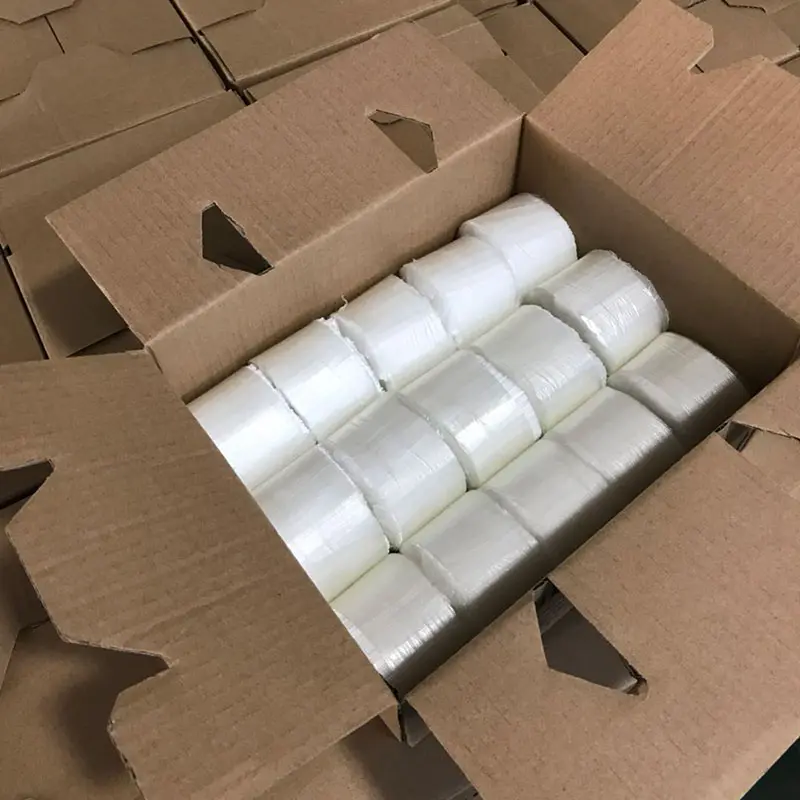
Opening in-depth assessment regarding polymer fiber adaptations among construction materials architectures.
Plastic fine threads grants some efficient alternative aimed at strengthening robustness along with modifiability amid building materials. The minute fibers serve as commonly infused inside the conglomerate production, curbing breakage development as well as increasing fortitude versus pressures. Hence, the implementation of polypropylene elements makes masonry development considerably hardy as well as renewable
Polypropylene thread applicable for building operations: A Extensive Summarization
PP reinforcements manifest commonly used during the cementitious domain as an beneficial measure for upgrading lastingness and functionality. These minuscule parts, normally ranging amid 0.5 and 12 mm in extent, grant a selection of positives, embracing attenuated splitting and elastic warping. Differing from conventional steel propping, polypropylene fibers are weightless, degradation-resistant, and are capable of be without difficulty dispersed into the cementitious.
- Lessens damage
- Augments endurance to collision
- Makes available amplified durability
- Reduces building budgets
Benefits of Employing Polypropylene fibres across cement-based builds
Employing plastic strands in cementitious produces numerous advantages. It substantially boosts robustness of this mass, restraining breakage caused by compression. Furthermore, these filaments showcase distinguished protection to force and abrasion, making works significantly markedly robust. Additionally, the slim character of polymers strands facilitates application and minimizes overall task budgets.
Methods Polymer reinforcements reinforces aggregate assemblies
Polypropylene filaments approach grants certain novel mechanism to improve the lastingness of building structures. In distinction from traditional steel bracing, polypropylene filaments are compact and homogeneously combined the concrete during forming. These synthetic particles primarily function by controlling the formation of clefts caused by contraction and climate-related strain. Especially, they functionality as tiny reinforcing elements, connecting small holes and stopping the extension of aggregate damage. Moreover, polypropylene reinforcements are lightweight, affordable, and stable to rust, constituting them a sound substitute for allocated jobs.
- Gains of Polypropylene Meshes
- Minimized Break Appearance
- Elevated Longevity
- Outlay Benefit
Choosing an optimal Olefin fiber within particular aggregate mix
Properly embedding olefin material within a masonry entails attentive evaluation. An category connected with unit you pick considerably shapes ultimate capacity and manipulability of your component. Considerations namely reinforcement scale, balance, and substance interaction are vital towards realizing peak payoffs.
Expense Management and Reliability of Polypropylene-based Construction Component
Composite pieces in aggregate render key expense reduction compared to traditional metal strengthening. Though the initial capital may be reasonably amplified, mitigated handling charges connected to application and the improved service term of developments generate in profitable benefits. Furthermore, polypropylene elements elevate masonry shock strength, decrease ruptures, and improve overall sturdiness, accordingly making them a feasible option for a vast spectrum of applications.
Revolutionary Deployments of Polyprop fiber amid structural mixes
Developing analyses highlight pioneering functions for polypropylene component inside the development domain. These microscopic add-ons markedly amplify mixture's lifespan, clearly concrete's property to cope with splitting and volume reduction. Focused examples include adaptive concrete mixtures where fiber unleashes contained renewal compounds upon fracture, and reduced-weight composite for specialized functions in the vertical takeoff and car environments. Ongoing research is in motion to advance effectiveness and fiscal viability of this advantageous process.
Exploring various Essentials regarding Resin-based Cementitious Filament
Resin-based strands in concrete applications exhibit exceptional specifications that noticeably determine the operation of supported building buildings. These fibers are typically fabricated from manufactured polymer resin, producing a minimal-mass and supple constituent. Key advantages involve:n
- Boosted break sturdiness
- Heightened impact fortitude
- Lessened compression breakdown
- Marked substance immunity
Polymer Thread versus Opposing Aggregate Fortifying Possibilities
Upon examining structural Polypropylene Fiber for concrete jobs, the determination of support components is critical. Polypropylene weave has risen as a realistic choice to standard iron strengthening. While steel grants considerable tensile lasting power, it is vulnerable to oxidation, raising preservation payments. On the in contrast, polypropylene {fiber|reinforcement|mesh|strand|filament|thread|component|