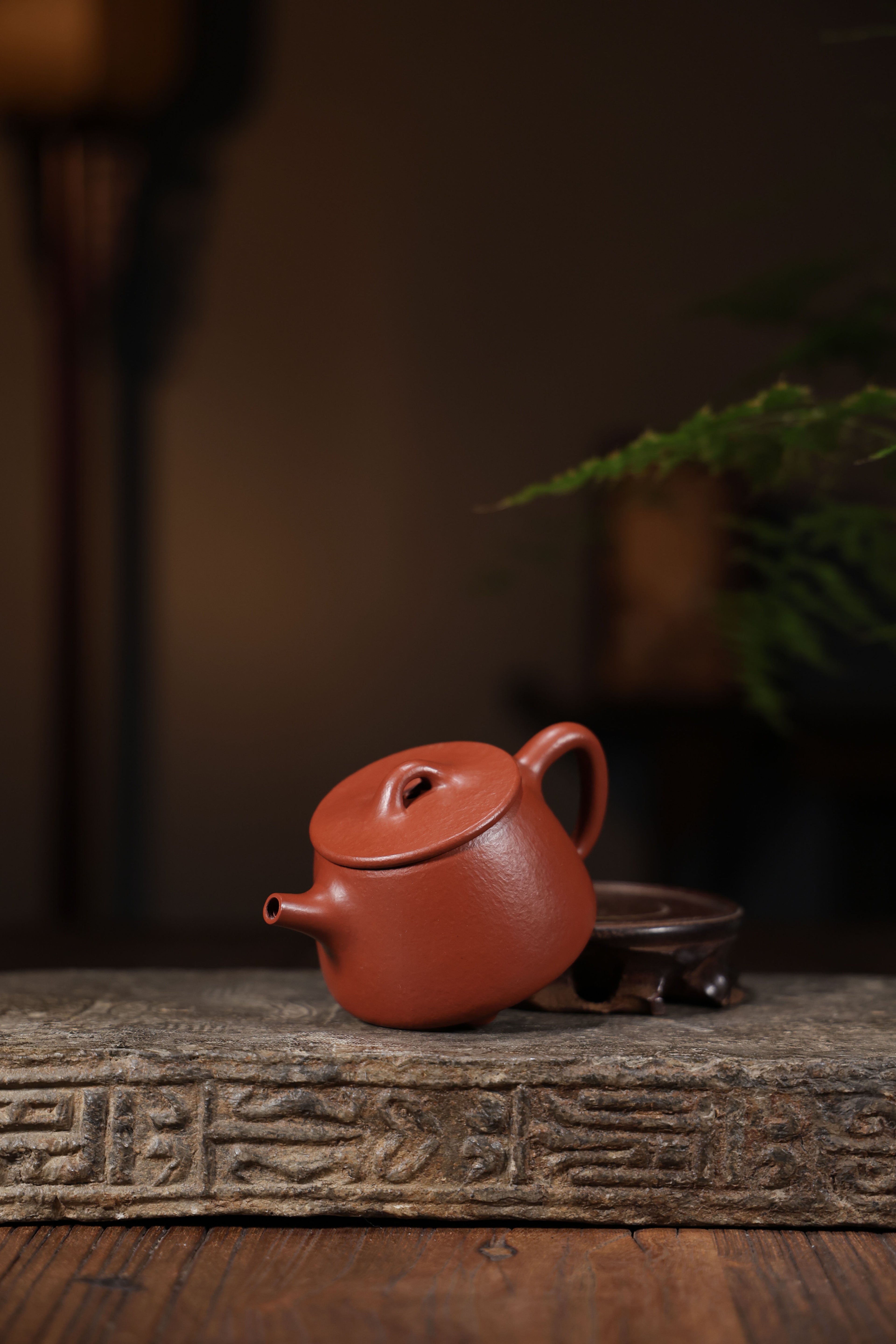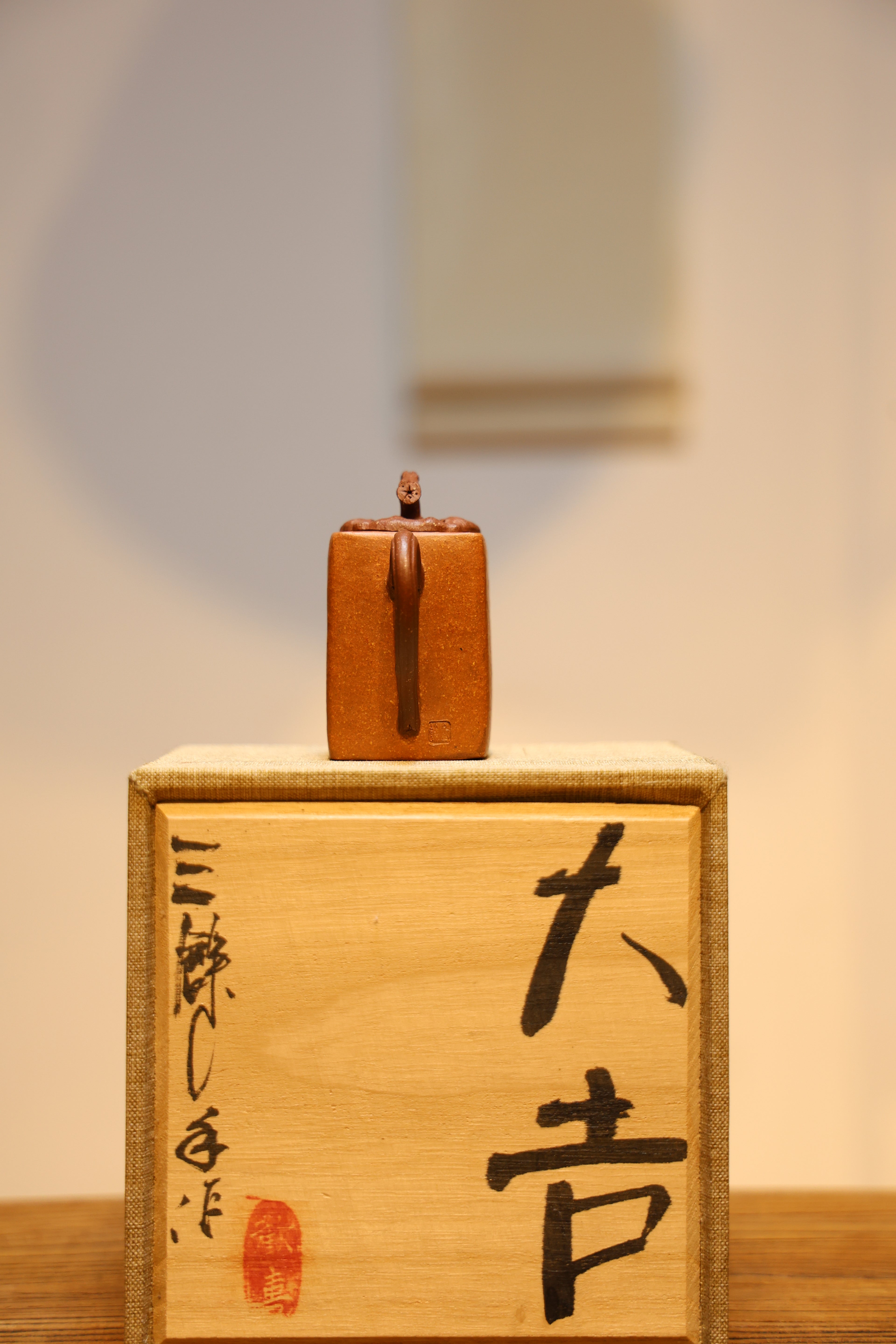
Embarking a complete inspection concerning Ising Tzu-sa clay vessels presents an captivating combination between skill together with performance.
Ising Tzu Sha earthenware pots carry this unequaled appeal to enthusiasts internationally. The fascinating ceramic pots, produced from the specific Yixing location close to Jiangsu administration, China, stand as more than just infusion tools; they are recognized as works artistic beauty and historical significance. Special finely sorted clay, known referred to as Zisha, imparts a refined flavor within the tea, and the intricate designs, often revealing traditional Chinese themes, boost their intrinsic value. Possessing a genuine Yixing Zisha teapot offers a satisfying journey, demanding careful inspection and an cognizance of the diverse factors influencing their specialness.
Investigating Yixing Vessels
Yihsing pottery vessels boast a deep history deeply interwoven with Chinese civilization. Originating in Yixing, Jiangsu territory, these pots are crafted from a unique, porous purple dirt found only in that designated location. Their progression began during the Ming reign, with master potters refining the practices over years. Numerous types occur, including the classic Hexiang (resembling crab shells), Zhuni (red-brown hue), and Duan Ni (stone-studded) – each with distinctive features. The merit of an Yixing vessel isn't solely based Chinese Teapot on its size or accessories, but also on the creator’s reputation, the earth's quality, and the pot’s age and condition. Buyers often seek out older examples, believing they imbibe the aroma of the liquid brewed within them over time, further adding to their status.- Antique Clay Pots
- Chestnut Clay Pots
- Rock-Decorated Clay Pots
Zisha Teapot Mastery: Fabrication & Procedures
Exclusive production of Zisha teapots represents a zenith of Chinese ceramic skill. Accomplished artisans employ age-old techniques, often passed down through descendants, to unlock the full charm of this unique clay. Approaches involve meticulous fashioning by hand, often combined with the twisting method, followed by precise glazing at incredibly potent temperatures in wood-fired kilns. Decorating is equally crucial; creators utilize authentic clay colors and may incorporate sculpting work to depict intricate scenes or patterns, demonstrating a profound comprehension of the material’s traits and capability. The completed teapot isn't merely a vessel for tea, but a testament to a lasting cultural heritage.
A Earthenware: Distinct Overview to Ising Zi-sha
Exploring the world of a teapots regularly originates with Yixing Zisha. These rare clay vessels are manufactured from a distinct type of clay obtained only in the Yixing region of Jiangsu province. Famous for its unique reddish-purple hue and exquisite attributes, Zisha clay injects a subtle flavor to the brew and improves with age, growing into a cherished artifact. Curating Yixing Zisha ceramics is more than just possessing a beautiful object; it’s a commemoration of custom and skill.
Delving into that Earthenware: Origination & Advancement
Starting the environment of Yixing Zisha earthenware can be absolutely fruitful, but entails a careful cognition. Validity is required; plentiful duplications occur, routinely craftily fabricated. Training about time-honored curing systems, characteristic mud qualities, and the markings of acclaimed fabricators is entirely fundamental. Additionally, recognizing the subtleties of the expansion development – influenced by reasons such as traditional importance and the status of the product – is vital to sound investing.
- Surveying heating development.
- Consulting authorities for endorsement.
- Analyzing market variations.
Such Craft of Formulating with a Earthen Vessel
Distinctive rare allure of a Zisha setup lies not just in its splendid appearance, but also in its significant impact on the character of the brew. These ancient clay ceramic pots, sourced from certain regions of China, possess a basic porosity that quietly interacts with the liquid and leaves, imbuing the tea with a refined character. Mastering the art requires a careful approach, understanding how the clay responds to varied heat levels and floral types, ultimately leading to a authentically rewarding imbibing ritual.
Sustaining One's Relic
Proper attention of your Yixing ceramic vessel is necessary to continuing its durability. These singular teapots, crafted from remarkable Yixing clay, manifest a history over generations that improves their significance. Occasionally rinse the core with soft water, avoiding chemicals, and never use severe scrubbing tools. A gentle dusting with a plush cloth can aid in wiping away stains. Allow your container to absolutely dry after each serving
Unveiling Yixing: Factors Particular Kettles Stand for Exclusive
The renowned appeal of Yixing teapots derives from the specialized properties of Stoneware clay, located solely near Yixing, the Yixing district. This favorable clay, consisting of ferruginous ceramic , displays a remarkable combination of minerals that, through use, assimilate the bouquet of the liquids it holds. This creates a unique scent for each ceramic pot, ensuring it a value far more than its primary price and aiding to their admired status among experts.
Hunting for the Perfect Sinocentric Brewing Pot: A Terracotta Handbook
Venturing into the world of Yixing clay teapots can feel intimidating, but understanding the foundations is necessary to acquiring a coveted piece. This model of clay, sourced essentially from Yixing, the province of Jiangsu, is famous for its distinctive texture and ability to enhance the taste of the infusion over time. Consider the shape, the color, and the presentation; a valid Zisha teapot is more than just a canister; it's a handmade piece and a illustration of historic culture. Seek the inscription of the craftsman for clues to its history and potential worth.