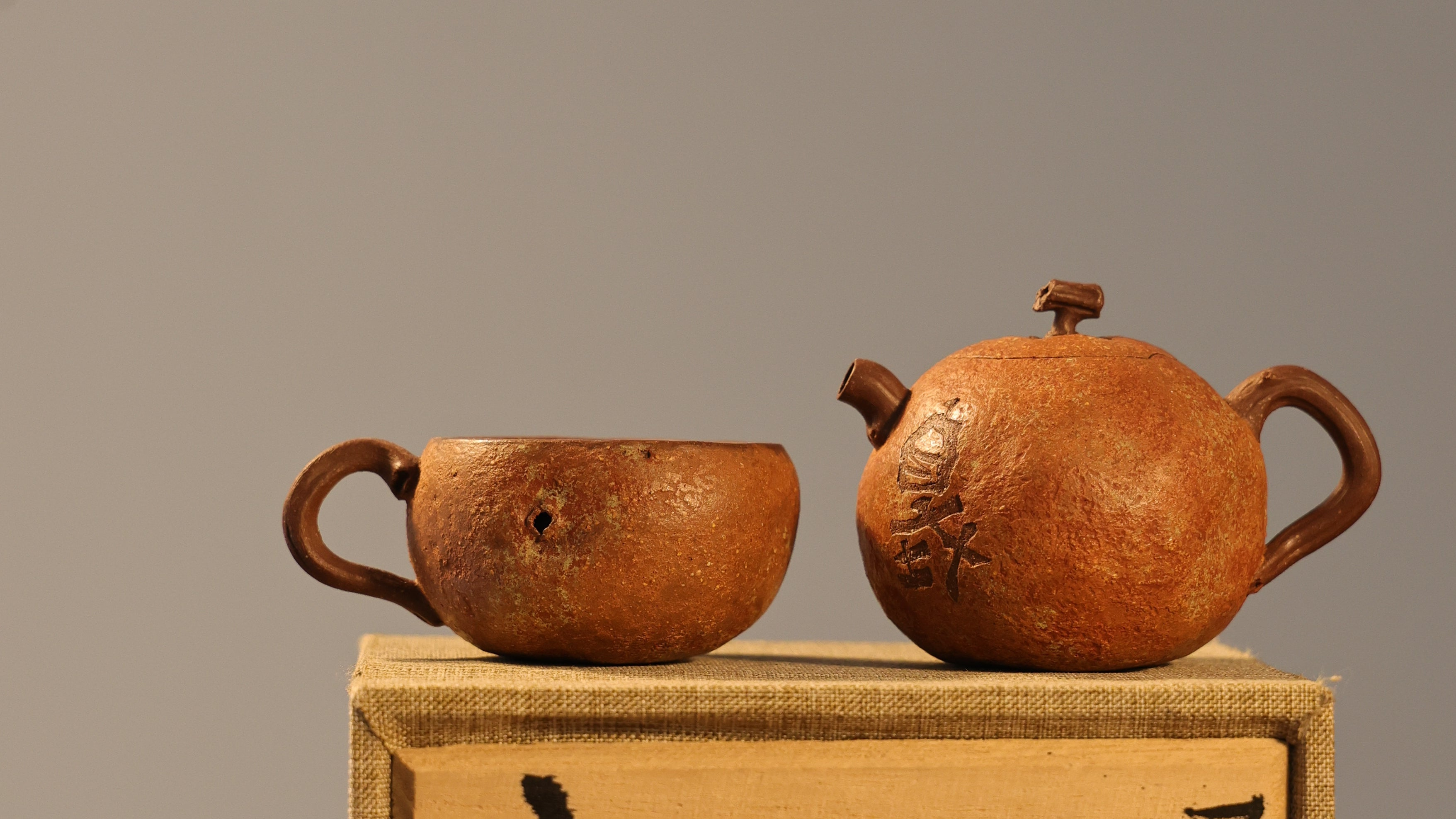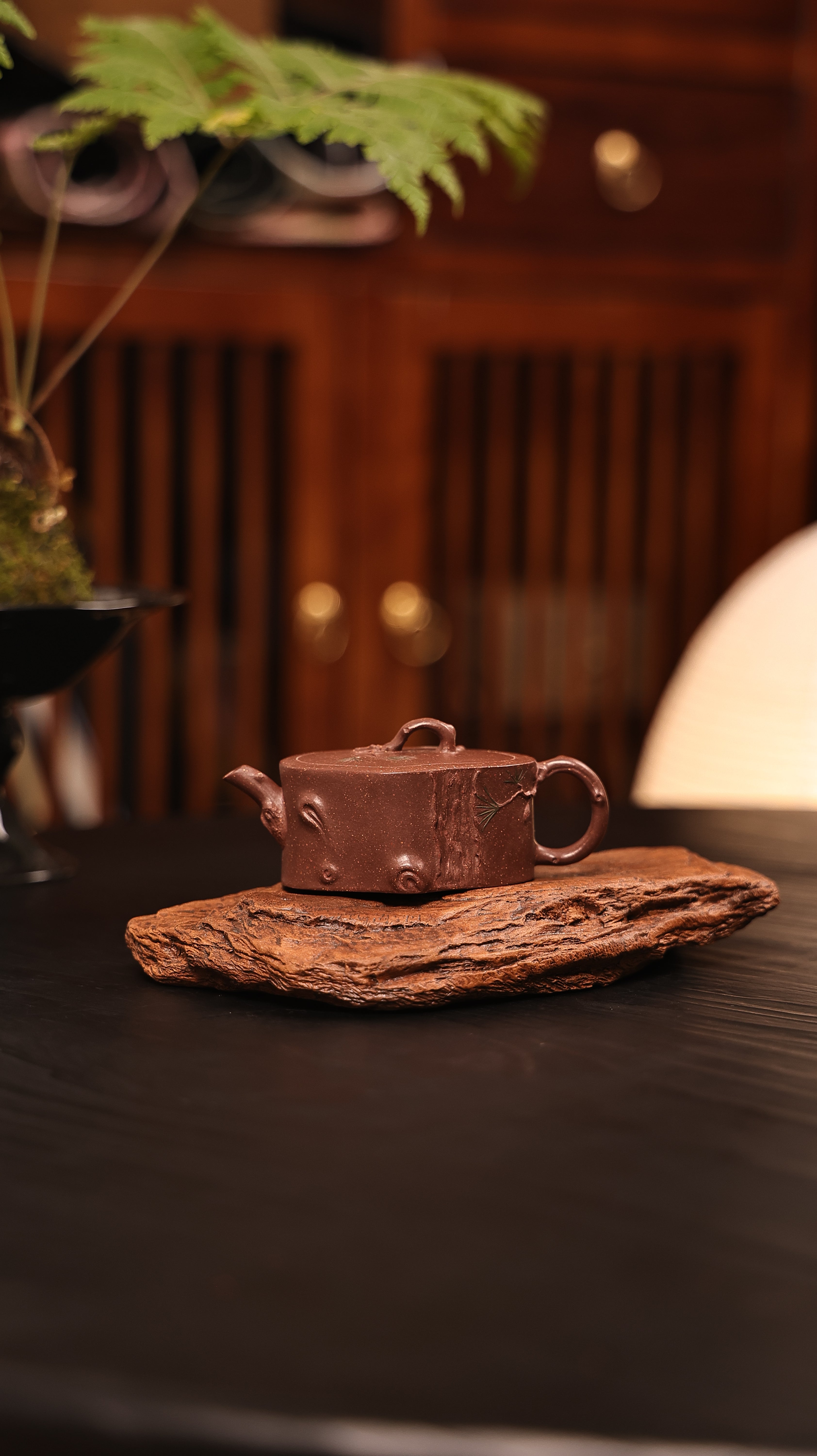
Commencing an exhaustive analysis of Eysing Tzu Sha clay vessels presents a fascinating fusion among technique accompanied by efficiency.
Issing Tzu-sha clay vessels harbor exclusive unrivaled seductiveness relating to gatherers worldwide. These remarkable earthenware containers, sourced from the distinct Yihsing locale close to Jiangsu administration, China, stand as more than just infusion tools; they are recognized as works crafted beauty and cultural significance. The finely screened clay, known called Zisha, imparts a gentle flavor through the tea, and the complex designs, often embodying traditional Chinese artistry, improve their natural value. Obtaining a genuine Yixing Zisha teapot is a rewarding journey, asking for careful investigation and an awareness of the manifold factors influencing its uniqueness.
Exploring Yixing Tea Vessels
Yi-hsing ceramic containers boast a fascinating record deeply interwoven with Chinese traditions. Originating in Yixing, Jiangsu region, these pots are crafted from a unique, porous purple terracotta found only in that particular location. Their growth began during the Ming epoch, with master artisans refining the means over ages. Various types persist, including the classic Hexiang (resembling crab shells), Zhuni (red-brown hue), and Duan Ni (stone-studded) – each Purple Clay Teapot with distinctive traits. The value of an Yixing brewing pot isn't solely based on its size or embellishment, but also on the craftsperson’s reputation, the mineral's quality, and the vessel's age and condition. Gatherers often seek out older examples, believing they enhance the bouquet of the brew brewed within them over time, further adding to their prominence.- Traditional Teapots
- Rust-colored Teapots
- Granite-Dusted Teapots
Zisha Teapot Mastery: Handiwork & Methods
That creation of Zisha teapots represents a summit of Chinese ceramic technique. Expert artisans employ classic techniques, often passed down through lineages, to unlock the full expression of this unique clay. Methods involve meticulous fashioning by hand, often combined with the twisting method, followed by precise glazing at incredibly potent temperatures in wood-fired kilns. Decorating is equally crucial; creators utilize authentic clay colors and may incorporate sculpting work to depict intricate scenes or patterns, demonstrating a profound comprehension of the material’s traits and capability. The outcome teapot isn't merely a vessel for tea, but a testament to a lasting cultural custom.
Ancient Teapots: The Summary to Yi-hsing Zisha
Unveiling the world of Ancient teapots often leads with Yixing Zisha. These singular clay pottery vessels are made from a singular type of clay extracted only in the Yixing region of Jiangsu province. Famous for its unique reddish-purple hue and extraordinary merits, Zisha clay imparts a delicate flavor to the beverage and ripens with age, shaping into a cherished heirloom. Owning Yixing Zisha pots is more than just holding a exquisite object; it’s a dedication of practice and talent.
Investing in Yixing Purple Clay: Realness & Growth
Beginning the field of Yixing Zisha clayware can be utterly gratifying, but needs a discerning insight. Sincerity is indispensable; multiple counterfeits are available, commonly expertly fabricated. Training about time-honored curing systems, defining earth qualities, and the signatures of reputable manufacturers is fully fundamental. Additionally, comprehending the details of the value trend – influenced by determinants such as antique consequence and the quality of the item – is paramount to beneficial buying.
- Analyzing firing record.
- Turning to professionals for verification.
- Understanding business movements.
A Process of Creating with a Purple Teapot
That singular allure of a Zisha brewing system lies not just in its attractive appearance, but also in its important impact on the essence of the elixir. These classical clay containers, sourced from special regions of China, possess a original porosity that gently interacts with the substance and leaves, imbuing the brew with a subtle character. Mastering the approach requires a patient approach, understanding how the earth responds to varying heating regimes and foliage types, ultimately leading to a unquestionably rewarding tasting experience.
Upkeeping The Possession
Proper upkeep of your Yixing brewing pot is critical to retaining its quality. These singular teapots, crafted from remarkable Yixing clay, manifest a history over generations that improves their significance. Regularly rinse the inside surface with gentle water, avoiding cleaning agents, and never use intense scrubbing tools. Some gentle washing with a delicate cloth can facilitate in doing away with residue. Allow your brewery pot to fully dry subsequent to each steeping
Unlocking Clay: Secrets Those Ceramic Pots Illustrate Special
The noted appeal of Yixing teapots is sourced in the special properties of Earthenware clay, obtained solely near Yixing, the city of Yixing. This noteworthy clay, designated as ferruginous porcelain , contains a unique combination of compounds that, with age, soak up the taste of the tisanes it incubates. This yields a singular fragrance for each brew container, delivering it a value far greater than its starting price and adding to their admired status among experts.
Hunting for the Perfect Sinocentric Brewing Pot: A Terracotta Reference
Venturing into the world of Yixing clay teapots can feel difficult, but understanding the cores is paramount to determining a sought-after piece. These clay, sourced primarily from the area around Yixing, the Jiangsu district, is celebrated for its exclusive grain and ability to boost the bouquet of the elixir over duration. Ponder the configuration, the tint, and the visual appeal; a real Zisha teapot is more than just a receptacle; it's a artistic piece and a emblem of ancient culture. Check the mark of the artisan for clues to its heritage and potential standing.