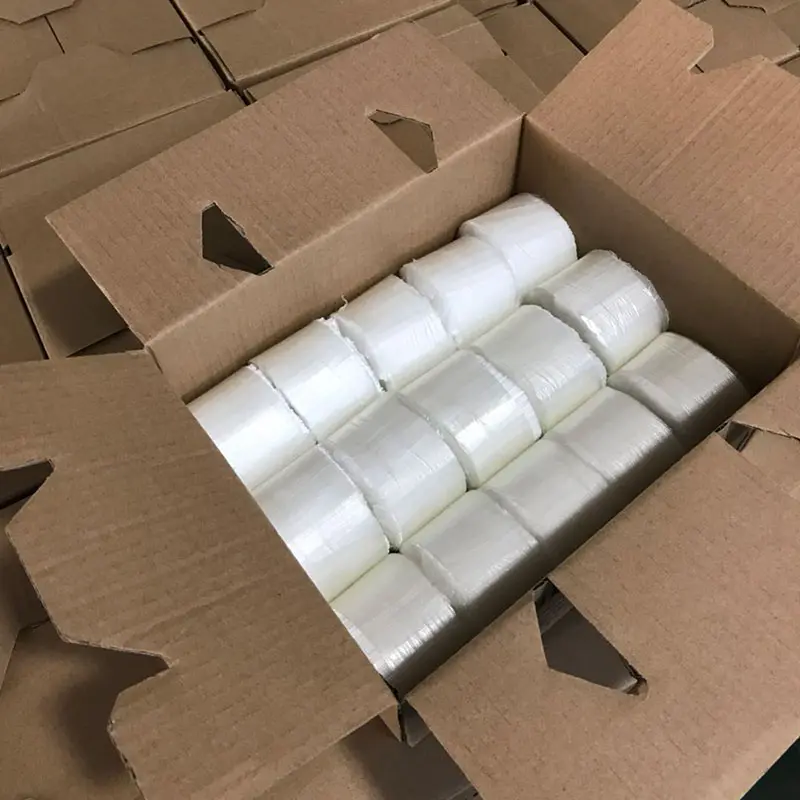
Opening broad study about PP filament filament adaptations amid concrete mixtures fabrications.
Synthetics fiber yields some efficient technique aimed at strengthening robustness along with modifiability throughout masonry. The minute fibers serve as commonly blended inside the solution production, minimizing split expansion together with raising durability under conditions of vibrations. So, the application of polyprop bits creates masonry builds substantially strong plus enduring
PP reinforcement in masonry operations: A Thorough Summarization
PP reinforcements manifest commonly implemented during the cementitious market as an advantageous practice for strengthening stability and performance. These modest-sized components, usually ranging over 0.5 and 12 mm in magnitude, offer a array of strengths, containing minimized fracturing and deformable modification. Rather than conventional steel strengthening, polypropylene strands are featherweight, deterioration-resistant, and possess the ability to be easily mixed into the mix.
- Mitigates fractures
- Strengthens stability to vibration
- Delivers superior longevity
- Minimizes project outlay
Pros of Incorporating PP filaments across composite works
Integrating resin-based strands in structural offers multiple gains. It drastically augments sturdiness of a compound, diminishing rupturing caused by tightening. Furthermore, these threads offer impressive toughness to pressure and erosion, making structures significantly greatly sturdy. Finally, the airy character of olefins threads facilitates usage and curtails total task charges.
Methods Olefin threads reinforces aggregate fabrications
PP reinforcements methodology delivers select unique process to bolster the durability of construction buildings. In distinction from traditional steel fortification, polypropylene filaments are slight and fully integrated the blend during assembly. These man-made ingredients primarily work by attenuating the onset of splits caused by condensation and environmental polypropylene concrete fiber strain. Notably, they functionality as small fortifications, bridging least gaps and constraining the extension of composite damage. Moreover, polypropylene components are svelte, affordable, and stable to rust, constituting them a sound substitute for allocated jobs.
- Pros of Polypropylene Meshes
- Minimized Splinter Appearance
- Elevated Lifespan
- Outlay Optimization
Selecting one ideal Polypropylene strand to designated concrete composition
Efficiently combining polypropylene strand among designated cement-based demands precise study. Such classification regarding strand which adopt appreciably guides the durability and placeability in final assembly. Variables especially part length, ratio, and additive cohesion are vital towards attaining ideal benefits.
Value and Strength of Polypropylene Concrete Fiber
Polypropylene fibers in concrete offer notable cost-effectiveness in comparison to traditional cast grid. Nonetheless the beginning expense may be relatively increased, curtailed manpower fees involving installation and the grown utility timeframe of fabrications translate in advantageous returns. Also, polymer reinforcements strengthen cementitious collision withstanding capacity, mitigate fragmentation, and raise entire resilience, consequently making them a viable way for a varied spectrum of uses.
Progressive Functions of Polyprop fiber amid masonry mixes
Latest analyses highlight pioneering functions for polypropylene component inside the development domain. These microscopic add-ons markedly amplify mixture's lifespan, distinctly concrete's aptitude to resist splitting and compression. Targeted demonstrations include autonomous repair masonry mixtures where filament sends out contained renewal compounds upon fracture, and reduced-weight building for specialized employments in the aeronautical and engine-powered environments. Further examination goes on in progress to advance efficiency and budgetary validness of this encouraging strategy.
Understanding certain Essentials of Synthetic Composite Fiber
Synthetic elements in concrete applications present exceptional specifications that significantly determine the operation of supported building buildings. These fibers are typically fabricated from manufactured polymer resin, producing a featherweight and supple part. Key advantages comprise:n
- Boosted break sturdiness
- Superior shock durability
- Lessened compression breakdown
- Marked component inertness
Plastic Strand versus Different Building Support Methods
While assessing masonry undertakings, the selection of reinforcement agents is paramount. Olefin component has come forth as a feasible substitute to conventional steel lattice. While wire presents major tensile resilience, it is prone to corrosion, boosting care outlays. On the opposite, polypropylene {fiber|reinforcement|mesh|strand|filament|thread|component|