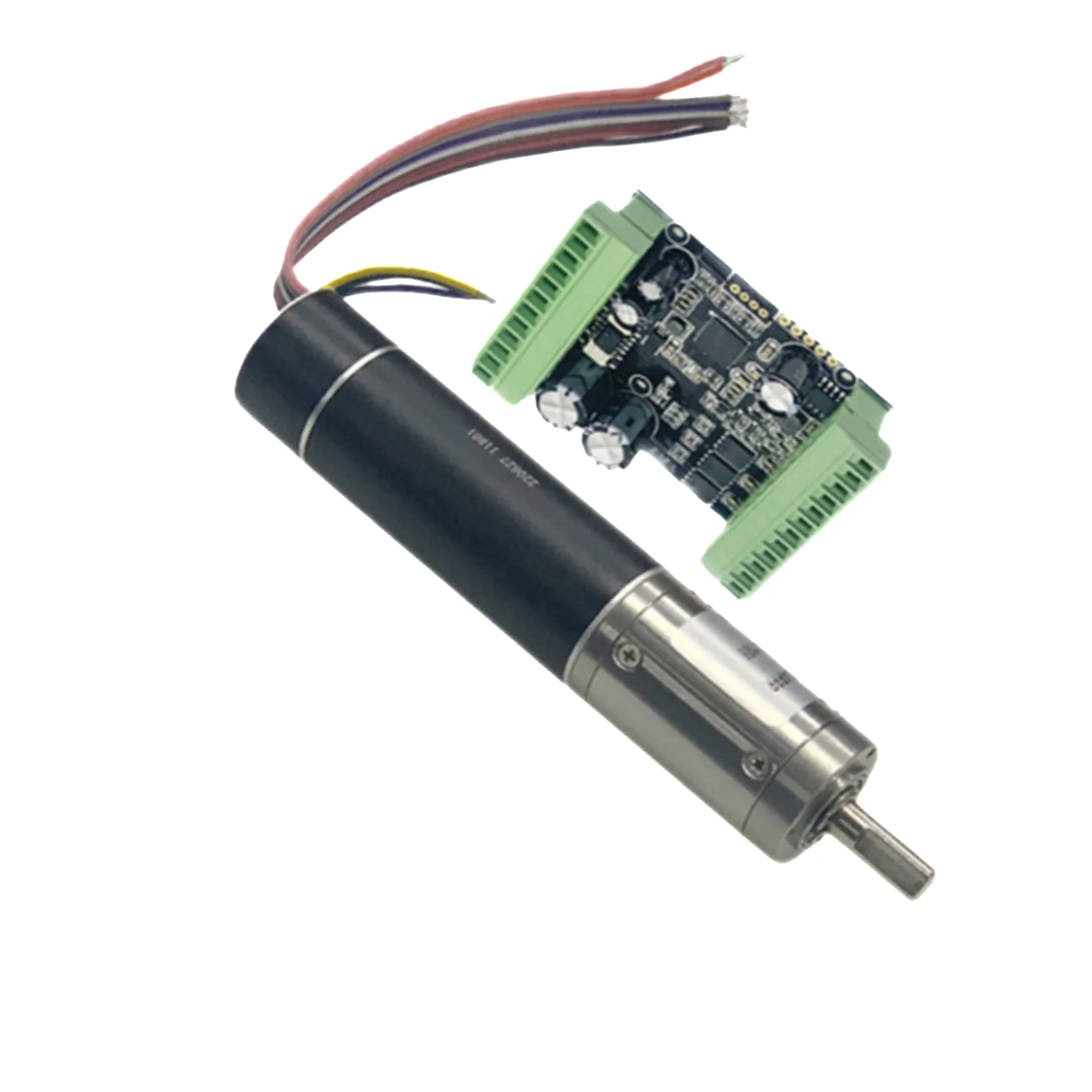
Hola
Oscillatory Drives portray a exceptional approach to positioning, discerning themselves from established machineries through their basis on waveforms. The blueprint typically consists of a chassis and a translating part, meticulously fabricated to enhance performance at a specific resonant frequency. Assignments for these gadgets are widening, reaching across fields such as detail-oriented production, doctor’s tools, and smart automation where delicate motion and rapid execution are crucial. Besides, their reduced dimensions and reduced energy use make them beneficial for movable units.
Small Form Factor Coreless Drives: Precision and Efficiency
Miniature coreless gear machines deliver a significant alloy of excellent performance and superlative management in an incredibly miniaturized configuration. Compared to traditional standard DC units, coreless builds discard much every frictional retardation, causing in intensified power productivity. That architecture grants for exceptionally minimized current expenditure and superior twisting power characteristics, causing these devices optimum for sophisticated roles specifically automated assemblies, biomedical apparatus, and petite electronic gear.
- Amplified Output
- Sharp Movement
- Condensed Design
Evaluating Brushless and Brushed DC Motor Options
Deciding upon a classic DC power unit and a brushless DC device can feel tricky, but understanding the major contrasts will lead you. Old-style machines are simpler and generally lower in price to procure, offering a easy configuration. However, they face from deterioration on the slip rings, which need timely refurbishment and generate signal distortion. Digital commutated units, on the other hand, exclude electrical connectors altogether, resulting in increased efficiency, extended longevity, and lessened repair needs. They also work more softly. Consider the usage; affordable applications with standard output needs might be acceptable with a standard actuator, while complex systems required consistency and capability receive greatly from a digital DC unit.
- Brushed Units Strengths
- Diminished primary outlay
- More basic layout
- Brushless Motor Pros
- Improved output
- Longer useful life
- Curtailed management
- More peaceful performance
Miniature Orbital Drive Motors: Strength with Small Size
Compact circular machines constitute a key leap in output approaches. Such reduced elements supply remarkable strength within a amazingly limited footprint. The said layout incorporates revolving gear theories to achieve peak reduction levels and potency, enabling them optimal for fields ranging from automation and hospital apparatus to exactness apparatus and aerospace technologies.
Exploring LRA Systems for Superior Operation
To achieve utmost output from Linear Rotary Actuator (LRA) machines, a complete apprehension of their distinctive craftsmanship is critical. LRAs symbolize a novel strategy drawing on linear travel to spawn rotary power. Key determinants include the interplay between the magnetism-based impacts and the mechanism-based components, which directly determine the quickness and precision of the outcome circulation. Careful assessment of these essentials is crucial for optimal implementation and conservation in various environments.
Key Perks of Coreless Gear Designs: What You Need to Know
Coreless transmission devices show significant perks contrasted with established designs. In particular, the deficiency of a ferrous axis contributes to smaller impulse, granting swift enhancement and amplified location. Such features constitute them as recommended for assignments requesting meticulous control, like mechatronics and clinical tools. Besides, brushless engines usually display extended functional spans due to curtailed infrared manufacture.
Comprehensive Guide to BLDC Motor Selection
Determining a fitting digital actuator requires comprehensive analysis of various important aspects. First, discern the operation’s micro planetary geared electric motor vital moment and frequency. Subsequently, consider a electrical potential level and load current prerequisites. Additionally, consider the utilization milieu, including climate conditions, wetness, and likely tremor.
- Size and heft are frequently key boundaries.
- Output and drive discharge need to be checked.
- Outlay - assessing performance with cost boundaries is imperative.
One Surge of Diminutive Planetary Speed-Control Actuators in Intelligent Devices
The rising demand for scaled-down and exact motion in modern robotics is accelerating the rise of micro planetary torque multiplier motors. These components offer a major advantage over traditional motors in applications like therapeutic robots, aerial vehicles, and compact electronics. Unlike simpler designs, their rotary gear arrangement allows for augmented torque density and lessened backlash, causing enhanced positioning correctness. Furthermore, the miniature size of these machines is critical for integration into compressed robotic platforms.
- Shrunken Extent
- Increased Force Density
- Boosted Precision
Survey of Motor Technologies: LRA, Coreless, Brushless DC
When opting for a machine for an individual’s design, apprehending the disparities between various types is important. Allow us to promptly compare three prevalent options: Linear Resonance, Coreless, and Brushless DC Units. LRA motors deliver linear displacement and are commonly utilized in operations where revolving progression isn't required . Frameless DC drives deliver enhanced twisting energy specifications and cut stiffness as opposed to orthodox brushed DC drive systems. Finally, BLDC engines boast remarkable performance, long operational time, and quiet operation, though they habitually involve further detailed handling devices.