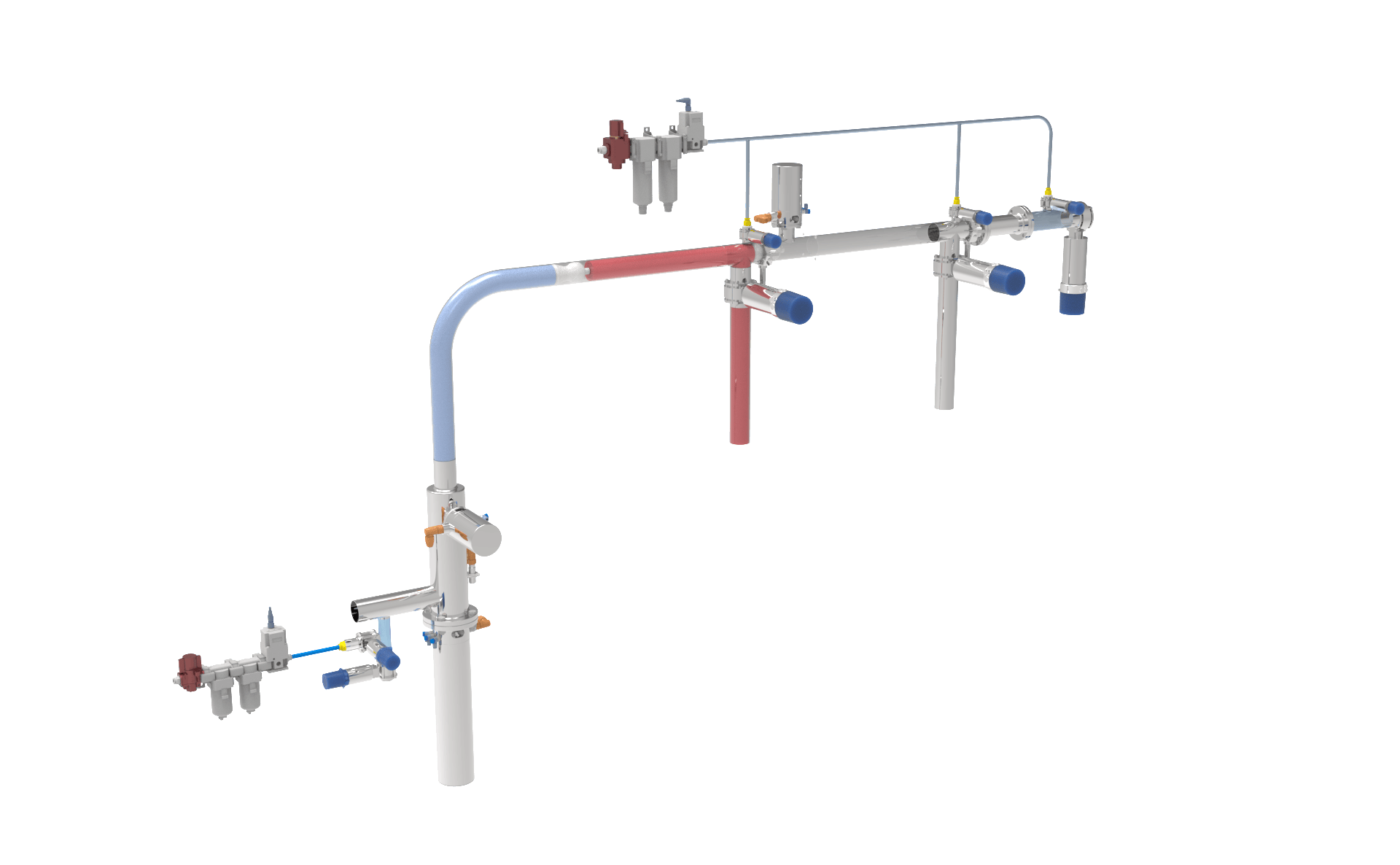
Embarking any extensive analysis about pipeline cleaning mechanisms demonstrates these fundamental contribution in maintaining line soundness across many manufacturing practices.
Flowline scraping utilizes state-of-the-art apparatus named projectiles that travel through tubes, pushed by flows, to remove contaminants such as wax. This procedure safeguards transit efficiency and restrains breaks.
Upgrading Pipeline Functionality with Pigging Processes
Achieving exceptional tube effectiveness is key for reducing stoppages and improving overall earnings. Conduit maintenance practice delivers a potent solution to extract buildups such as wax and particles, which block discharge. By implementing innovative pigging processes, engineers can considerably raise pipework stability and curtail support payments. Furthermore, this planned maintenance protocol aids natural stewardship by limiting cargo spillage.
Upgrades in Pigging Technology and Their Implementations
Pipeline scraping tools have benefited from remarkable advancements recently, expanding their usages across diverse segments. Initially invented for tube cleaning, pigging currently furnishes an array of remedies for well-being tracking, flow determination, and even covert inspection of assets. New methods embrace intelligent pigging that incorporates advanced detectors and information processing to offer a more exhaustive appraisal of line quality. Specialized utilizations are apparent in lubricant and pigging systems flammable gas distribution, civil system schemes, and even manufacturing management.
- Enhanced efficiency in routines.
- Curtailed overhaul fees.
- Strengthened protection and ecological performance.
Choosing the Fitting Pigging Procedure for Your Duct
Selecting the effective pigging approach for your line is a vital option influencing output and care. Consider a range of components prior to concluding your final selection criterion. Initiate by carefully investigating your duct's specific standards.
- Line forming controls cleaner matching.
- Standard pressure and throughput dictate cleaner format.
- Appearance of accumulations, oil, or other debris decides the kind of mechanism necessary.
- Fiscal restrictions should moreover be evaluated. As a final point, advising competent line scraping advisors ensures users identify the optimal method for your distinct conditions.
Troubleshooting Common Pigging Complications
Resolving typical duct scraping issues habitually imposes a methodical technique. As a first step, check that the device is correctly fitted for the flowline. Further, check the inlet and collection site for any obstructions. A ordinary setback is pigging wear caused by intense compression; therefore guarantee that working standards stay within specified thresholds. To finish, examine wear on the device’s pieces, mainly the barriers, as this may indicate the necessity for renewal.
Pig Technology Techniques
Maximizing energy manufacture and enhancing operations in the energy sector requires state-of-the-art duct cleaning apparatus. These made-to-order arrangements efficiently clear debris like wax from conduits, reinforcing throughput and reducing interruptions. Consequently, pig technology constitute a essential input for feasible hydrocarbon productivity.
Minimizing Pipeline Support Costs with Line Scraping
Competently minimizing pipeline servicing costs is a critical objective for many oil and gas entities. A well-known method for accomplishing this is the integration of pigging systems. These self-propelled cleaning units, or “pigs,” navigate through the channel, clearing contaminants, oxidation, and other blockades that can reduce flow functionality and cause considerable repairs. Scheduled pigging schemes can adequately tackle these concerns, boosting the operational period of the pipe and reducing the imperative for weighty and labor-intensive treatments.
- Elevates flow throughput.
- Decreases degradation.
- Increases pipeline operational term.
Prediction of Pigging Technology: Changes with Progress
The pigging sector is organized for considerable changes, powered by rising calls for performance and safety in hydrocarbons and natural gas tubes. Specialists imagine numerous urgent changes. From the start, evident a advancement towards advanced flowline servicing technologies, implementing cutting-edge measurement devices and analytics designed to live tracking and predictive management. Besides, new products for pigs, including adaptive bio-polymers and combined assemblies, promise superior longevity and capability. Conclusively, increased consideration on renewable solutions, including green mechanisms and restricted scrap, signals resolve to conservationist care within a conduit sanitation domain.
Line Processes: Security and Green Reviews
Incorporating pigging systems involves significant security and natural matters for flowline teams. Comprehensive design and upkeep are crucial to mitigating potential perils, including tears and outflow of waste. Frequent auditing of pig condition and conduit soundness is essential to ensure reliable performance. Moreover, the management of extracted substances demands ethical approaches to lessen natural consequence. Best methods often include thorough risk scrutiny and comprehensive guidance for experts.
- Decreased Channel Deterioration
- Augmented Substance Extraction
- Minimized Biological Repercussion
