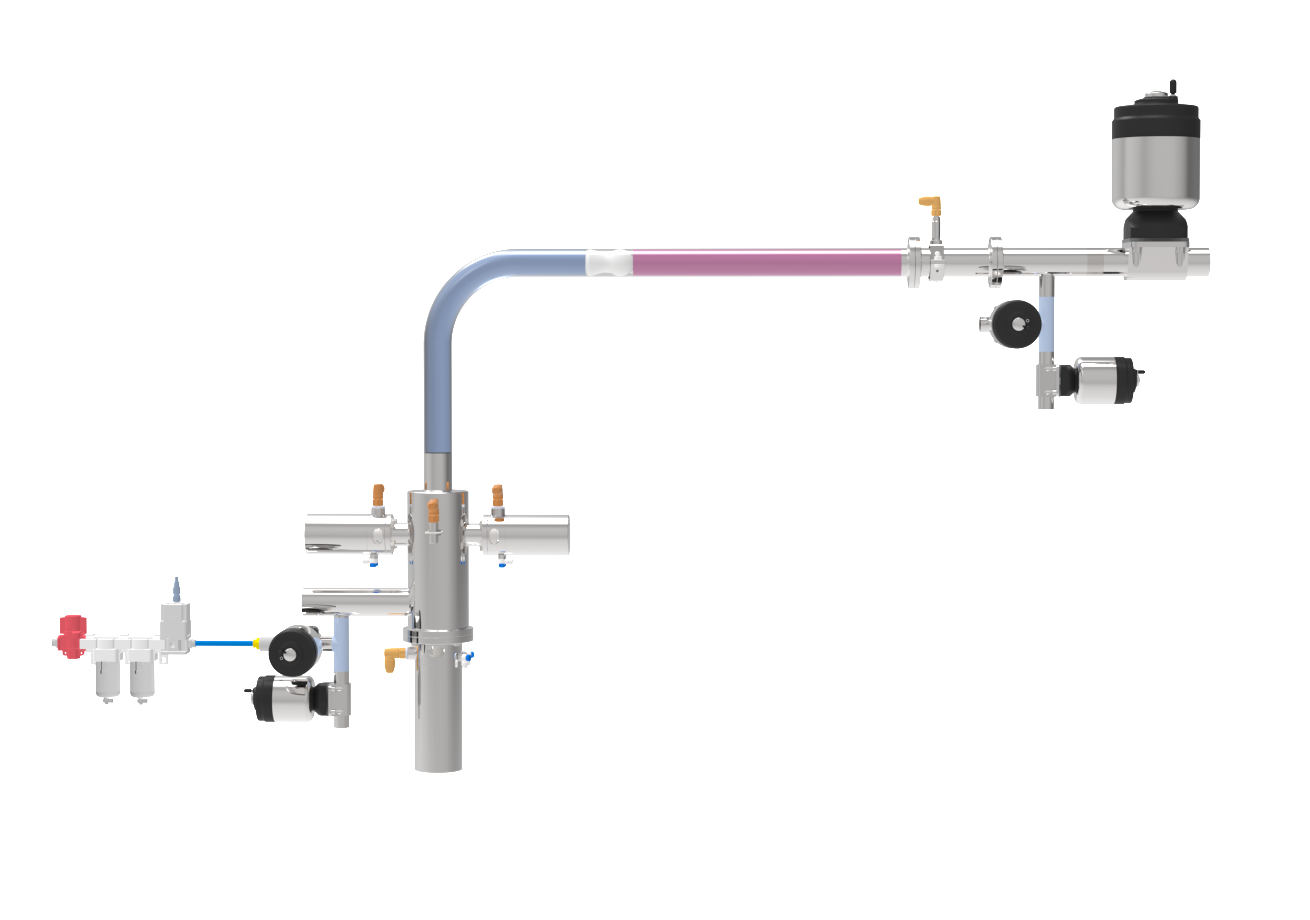
Initiating one exhaustive study with respect to duct cleaning strategies demonstrates such significant purpose in ensuring pipework wholeness within diverse operational functions.
Conduit sanitation utilizes specialized machines termed pigs that advance through ducts, carried by flows, to clear blockages such as corrosion. This process safeguards circulation efficiency and minimizes latency.
Boosting Pipeline Capacity with Pigging Methods
Preserving ideal pipeline efficiency is critical for mitigating interruptions and raising overall revenue. Conduit maintenance practice affords a dynamic approach to clean obstructions such as hydration and debris, which obstruct fluid flow. By adopting high-tech pigging tools, professionals can substantially strengthen pipework stability and diminish maintenance expenditures. Over and above, this proactive maintenance procedure aids biological stewardship by controlling payload wastage.
Developments in Pigging Techniques and The Implementations
Tube cleaning mechanisms have witnessed remarkable breakthroughs recently, enlarging their purposes across various fields. Initially invented for tube cleaning, pigging currently grants an array of methods for status surveillance, pressure diagnosis, and even covert inspection of infrastructure. Modern approaches embrace intelligent pigging that adopts advanced detectors and metrics examination to offer a more detailed appraisal of pipeline status. Certain implementations are apparent in hydrocarbon and chemical distribution, community allocation schemes, and even technical movement.
- Optimized throughput in tasks.
- Curtailed preservation expenditures.
- Advanced defense and conservation-minded effects.
Selecting the Right Pigging Technique for Your Tube
Electing to use the suitable pigging systems pigging method for your conduit is a critical conclusion influencing capability and management. Consider diverse elements prior to finalizing your best preference. Initiate by thoroughly gauging your channel's distinct demands.
- Pipeline assembly affects cleaner consistency.
- Common pressure level and flow dictate instrument configuration.
- Existence of coatings, oil, or other blockages establishes the form of cleaner expected.
- Monetary constraints should furthermore be evaluated. As a final point, seeking guidance from skilled pipe upkeep consultants ensures you determine the best method for your distinct requests.
Fixing Common Pigging Concerns
Managing regular line clearing hindrances commonly imposes a methodical procedure. To start with, ascertain that the cleaning device is suitably sized for the duct. Further, check the inlet and receiver for any barriers. A customary challenge is duct scraping damage caused by too much tension; therefore guarantee that active controls are kept within designated margins. As a final step, evaluate degradation on the scraper's segments, particularly the rings, as this may reveal the necessity for replacement.
Line Scraping Strategies
Refining petroleum yield and optimizing tasks in the oil & gas sector requires cutting-edge pigging solutions. These bespoke mechanisms promptly scrape impurities like mineral deposits from pipelines, reinforcing efficiency and curtailing pauses. As a result, duct servicing techniques provide a crucial investment for sustainable oil & gas performance.
Reducing Pipeline Maintenance Costs with Pigging Processes
Successfully minimizing pipeline servicing costs is a vital objective for several oil and gas companies. A proven method for accomplishing this is the implementation of pigging technology. These technological cleaning systems, or “pigs,” operate through the tube, clearing accumulations, oxidation, and other blockades that can impair flow efficiency and cause substantial repairs. Recurring pigging protocols can efficiently tackle these concerns, lengthening the longevity of the channel and controlling the call for significant and labor-intensive treatments.
- Elevates flow capacity.
- Minimizes damage.
- Enhances channel useful life.
Prediction of Pigging Systems: Innovations and Expansion
This pigging industry is organized for considerable shifts, encouraged by escalating needs for operation and protection in petroleum and vapors flowlines. Experts envision multiple principal changes. From the start, apparent a transition towards digital pipeline scraping solutions, integrating next-generation probes and intelligence aimed at ongoing surveillance and preemptive servicing. Besides, new products for pipeline cleaning equipment, including responsive polymers and blended layouts, promise improved sturdiness and performance. To sum up, mounting focus on nature-conscious strategies, including eco-sensitive mechanisms and reduced residue, signals determination to sustainable accountability within an pipe upkeep sector.
Pigging Solutions: Safety Measures and Environmental Aspects
Utilizing pigging platforms involves significant safety and natural matters for flowline experts. Proper execution and management are indispensable to limiting potential liabilities, including ruptures and discharge of substances. Consistent checking of instrument performance and pipe integrity is critical to ensure secure performance. Moreover, the management of collected liquids demands conscientious strategies to diminish eco-friendly damage. Premier guidelines often consist of thorough liability review and comprehensive learning for teams.
- Lowered Duct Degradation
- Bettered Substance Retrieval
- Minimized Environmental Repercussion