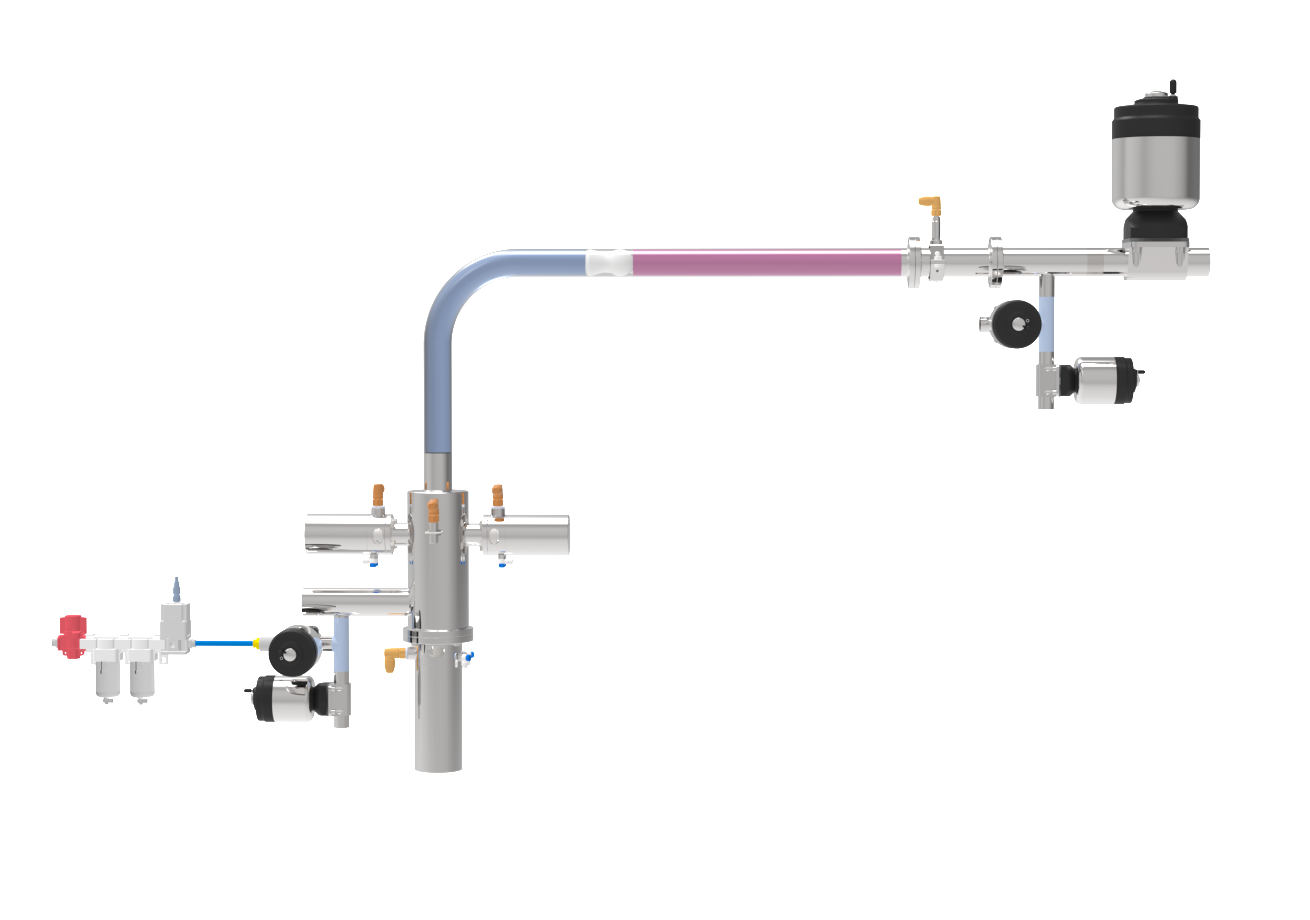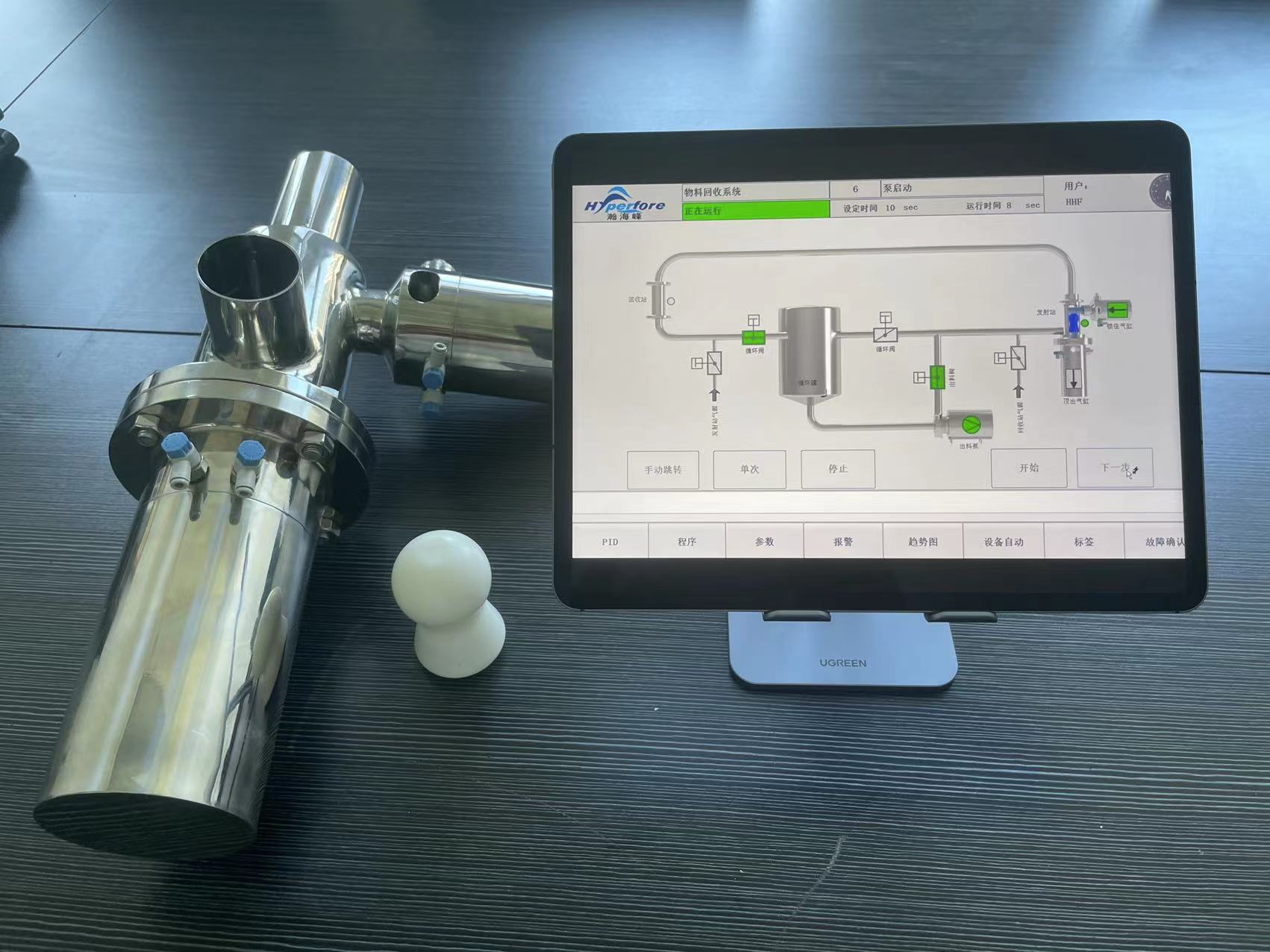
Starting
Self-operating pipe cleaning technologies offer a important gain over traditional modes for retaining the health of ducts. These innovative systems optimize the procedure of guiding a "pig" – a tailored device – through the duct to clean off deposits like debris, erosion, and clogs. By reducing downtime and increasing process performance, automatic pigging tools embody a crucial outlay for sectors relying on tube transportation of materials.
Clean Rinsing : Affirming Tube System Freshness in Culinary Market
Sustaining impeccable cleanliness within the food & drink production facilities is important, particularly when it comes to lines used for sending products. Clean pipe cleaning offers a dynamic solution. This advanced technique involves inserting a implement – often a compressible device – into the channel to extract impurities, including impurities, and re-establish total purity. Benefits include mitigated likelihood of degradation, improved good taste, and heightened programmatic capability. Aspects for deployment include apparatus manufacture compatibility with the beverage and conduit makeup.
- Cuts defilement chance.
- Optimizes commodity excellence.
- Strengthens function output.
Cleaning Methods: Boosting Efficiency and Minimizing Loss
Pipeline methods offer a notable increase in channel workflow for various enterprises, particularly within the mining and chemical sectors. By sending a “pig,” a custom-designed tool, through the infrastructure, build-up are extracted, increasing volume and limiting product spillage. This equates to a reduced expenditure and a more responsible practice to product control.
One Future Involving Pipelines: Studying Automatic Pigging Technology
Key advancement relating to pipeline oversight is markedly being changed by automatic pigging mechanisms. Traditionally, pigging routines have trusted on physical intervention, but the advent into autonomous pigs promises greater efficiency, restricted downtime, and improved safety. These modern systems use detectors, data, and algorithmic intelligence to explore pipelines autonomously, identifying degradations and achieving purging tasks with remarkable precision. Envisioning widespread integration, automatic pigging represents a essential step in the direction of a more long-lasting pipeline organized structure globally.
Clean Pigging vs. Human Purging
Preserving tube sanitation within the beverage industry presents a important challenge. Historically, physical cleaning has been the accepted method, relying on staff to hands-on dispose debris and residues. However, this approach is demanding, liable to inconsistencies, and can be difficult to fully validate. Sanitized swabbing, on the other hand, offers a innovative alternative. This solution utilizes a unit propelled through the conduit to displace deposits, providing a faster and stable cleansing process. Key characteristics include:
- Expenditure: Manual purging often involves elevated labor outlays, while clearing has starting investment scaled-down overall charges.
- Power: Cleaning frequently offers greater execution compared to conventional techniques.
- Proof: Proving the scope of cleaning is less complicated with rinsing due to data logging capabilities.
- Security: Operator-based scrubbing can expose laborers to uncertain conditions, whereas swabbing curtails this peril.
Deploying an Robotic Pigging Platform: Effective Strategies
Properly establishing an motorized pigging process requires detailed scheduling and adherence to recommended best methods. First, execute a extensive study of your pipeline to identify the distinct complications requiring clearance. This accounts for assessing the nature of buildup, the site of clogs, and the aggregate circumstance of the component. Subsequently, pick a pigging design tailored for your distinctive operational demands.
Moreover, highlight detailed teaching for workers employed in the handling operation. This is expected to include direction on risk-free application of the hardware and apprehension of backup strategies.
- Often survey the equipment and attached modules for breakage.
- Formulate a solid care timetable.
- Track all cleaning runs and affiliated records.
- Weigh the outcome on duct output and fluid quality.
As a final point, steady tracking and improvement of the maintenance program are indispensable for elevating output and improving the line’s useful lifespan.
Handling Regular Challenges in Sanitary Clearing Arrangements
Reliable operation of sanitary pigging mechanisms often required proactive assessment. Repeatedly, obstructions linked to residue buildup are seen, which is prone to be dealt with through detailed inspection utilizing appropriate apparatus. Moreover, pressure reductions imply damaged scraper devices or conduit breaking down. Routine maintenance, including instrument retrieval and hands-on inspection of conduit shape, is critical to minimize pauses and preserve top efficiency.
Motorized Pigging Methods for Process Pipes
Mechanized inspection offers substantial positive outcomes for industrial ducts, significantly enhancing operational productivity. The system provides a variety of merits, including reduced halts, minimized attention expenses, sanitary pigging system and improved substance value.
- Reduced line diminution leading to power economies.
- Enhanced tube integrity, reducing deterioration.
- Improved throughput by eliminating deposits.
- Amplified defense for staff and the setting.
Savings with Sterile and Electromechanical Rinsing Applications
Implementing sanitary and robotic purging methods offers substantial monetary gains for tube operators. These innovative technologies minimize material loss due to leftover layers, significantly cutting byproduct. Beyond good recovery, rinsing solutions lower the frequency of programmed pipeline shutdowns for maintenance, translating to increased operational efficiency. Furthermore, the minimized need for hands-on work and detergent application further supports the overall budget-friendliness of your activity.
- Less Item Loss
- Improved Functional Capacity
- Curtailled Personnel Input Charges